Add Row
Add Element
UPDATE
Add Element
  • Home
  • Categories
    • Social Media Marketing
    • Search Engine Optimization
    • Web Design
    • Content Marketing
    • Video Marketing
  • All Posts
  • Social Media Marketing
  • Search Engine Optimization
  • Web Design
  • Content Marketing
  • Video Marketing
June 16.2025
1 Minute Read

Digital Marketing Tips for Startups to Skyrocket Your Success

Digital marketing tips for startups - diverse founders brainstorming digital marketing strategies in a modern coworking space

Did you know that while over 90% of startups stumble in their first year, those that leverage digital marketing tips for startups dramatically boost their chances for sustainable growth? If you’re seeking to leap ahead of the competition, understanding and applying effective digital marketing strategies is your best weapon. This guide dives deep into the essential and advanced marketing strategies that turn first-time founders into digital leaders—empowering you to attract, engage, and retain your ideal customers for long-term success.

A Surprising Statistic: Why Smart Digital Marketing Tips for Startups Matter Most

Did you know that 90% of startups fail within their first year – but effective digital marketing tips for startups can drastically shift your odds of success?

The journey of launching a startup is often daunting, filled with hurdles and uncertainties. Yet what distinguishes high-achieving startups isn’t just a groundbreaking product or enthusiastic team—it’s how effectively they market in the fast-paced digital world . Without a solid digital marketing strategy, your innovative ideas risk being overshadowed by competitors who successfully command online attention. Startups that prioritize digital marketing strategies see higher engagement rates, lower customer acquisition costs, and an accelerated path from obscurity to profitability—transforming the odds in their favor.

Digital marketing tips for startups are more than just checklists; they are your blueprint to create brand awareness, nurture meaningful relationships with potential customers, and foster unwavering loyalty. By understanding these tips and integrating them into daily operations, you can carve out a clear path to scalable, measurable growth, regardless of your budget or stage. Let’s unlock your startup’s true market potential, one digital step at a time.

Unlocking Digital Marketing Tips for Startups: Your Roadmap to Stand Out

  • Actionable digital marketing tips for startups
  • Proven marketing strategies to attract and retain customers
  • Steps to create an effective digital marketing strategy
  • How to maximize ROI with limited budgets
  • Tools for measurable, scalable startup growth
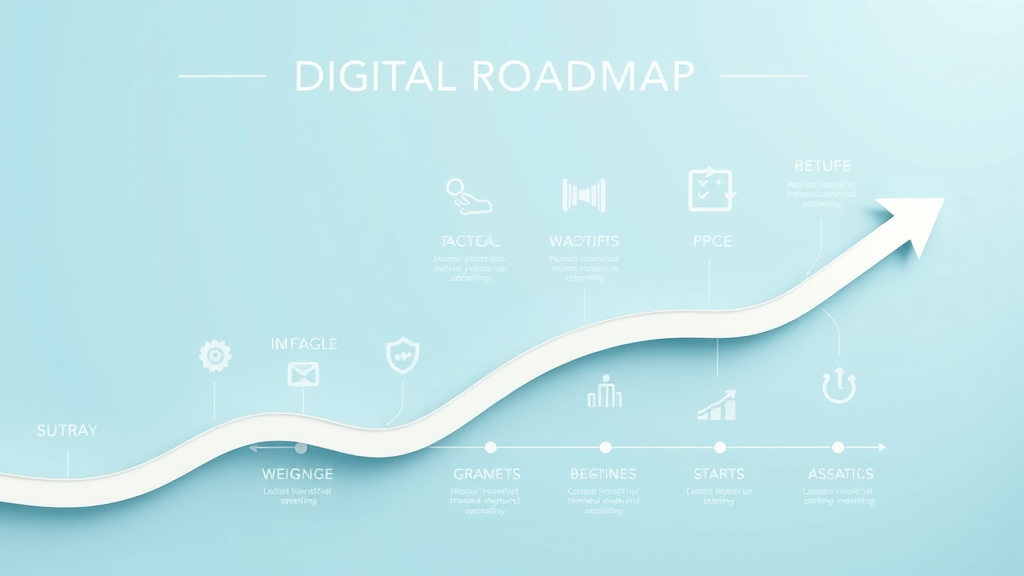
Digital marketing strategy roadmap for startups showing steps from awareness to growth using SEO, PPC, and Email
Comparison of Top Digital Marketing Strategies for Startups
Strategy Cost ROI Potential Typical Use Case
Social Media Low High Brand Awareness & Engagement
Content Marketing Medium Medium-High Lead Generation
Google Ads Medium-High High Immediate Conversions
Email Marketing Low Medium Retention & Nurturing
SEO Medium High Long-term Traffic Growth

As a new founder , you’re bombarded with advice on every side. This roadmap filters through the noise. By focusing on the practical, ROI-driven approaches listed above, your startup can maximize every resource, experiment intelligently, and pivot with purpose as you grow. Think of your digital marketing strategy as an investment—not an expense—one that compounds in brand value and market reach.

Defining Your Target Audience: The First Step in Digital Marketing Tips for Startups

Digital marketing tips for startups - marketer analyzing social media and demographic charts on laptop

Every winning digital marketing strategy starts with defining the target audience. Your marketing plan will falter if you don’t know exactly who needs your product or service. Start by analyzing key competitors in your space to see whom they target and how they communicate value. Deploy digital market research tools like Google Analytics, Facebook Insights, or SEMrush to discover key demographic and psychographic patterns among your site visitors and prospects.

Go deeper by segmenting your audience by age, gender, location, behaviors, and pain points. Consider what keeps your potential customer up at night—what problems does your product or service solve? Create detailed personas representing your ideal buyers. Understanding your target audience not only streamlines your messaging but also helps optimize your marketing efforts for maximum results, putting your limited marketing budget to the best possible use.

How to Identify Your Ideal Target Audience and Their Pain Points

  • Analyze competitors' marketing strategies
  • Leverage digital marketing tools for market research
  • Segment by demographics, psychographics, and needs

Market segmentation chart showing digital marketing tips for startups and diverse audience personas

Building a base of real data around your target audience enables more effective market decisions, sharper brand positioning, and campaigns tailored for high engagement. Don’t skip this foundational step—your results and ROI depend on it.

Building a Solid Digital Marketing Strategy for Startup Growth

To thrive, startups must move beyond trial and error by building a deliberate digital marketing strategy. Begin with clear, measurable goals—whether it’s acquiring your first 100 customers, boosting web traffic by 50%, or achieving a defined revenue threshold. These benchmarks keep marketing efforts focused, ensuring you invest time and resources in the channels with the highest proven impact for your specific business model.

Strategic budgeting is vital. Allocate resources between essential efforts: content marketing, social media, paid advertising, and SEO. Early-stage startups often see the best results by emphasizing ‘quick-win’ campaigns like Google Ads or social media promotions while planting the seeds for long-term growth through SEO and brand storytelling. Don’t forget to track key performance indicators (KPIs) so you can pivot intelligently and scale with confidence.

Constructing a Results-Driven Marketing Plan for Startups

  1. Set measurable goals
  2. Allocate budgets strategically
  3. Prioritize quick-win marketing campaigns
  4. Establish KPIs for marketing strategies
"A clear marketing strategy is your startup’s GPS in the dynamic digital landscape."

By focusing on KPIs and results—rather than hunches—your marketing plan remains fluid and responsive, able to weather changing platforms and consumer preferences while keeping growth on track.

Harness the Power of Content Marketing in Digital Marketing Tips for Startups

Content marketing strategies for startups - content creator filming video and writing blog post

Content marketing remains one of the most effective digital marketing tips for startups because it trades budget for creativity. A well-crafted blog post or insightful guide can build authority, address a potential customer’s pain points, and fuel organic growth via search engines. Startups often benefit by focusing early efforts on educational blog posts, infographics, and storytelling assets that speak directly to their audience’s needs.

Repurpose content: transform a blog post into a video, a checklist, or a LinkedIn infographic to reach different channels and maximize engagement. By consistently publishing high-quality, helpful content, your brand not only rises in search engine results but also builds trust, which is essential for conversion and retention in competitive markets.

Creating Engaging Blog Posts and Shareable Assets

  • Strategic blog post planning focused on startup solutions
  • Visual storytelling via infographics
  • Leveraging expertise via educational guides

The more value you offer through content, the more leads you generate—and the stronger your connection with your target audience becomes. Content marketing is the engine that drives long-term discovery and lasting community engagement around your products or services.

Social Media Mastery: Digital Marketing Strategies that Boost Brand Awareness for Startups

Successful Social Media Marketing Strategies for Early-Stage Brands

  1. Choose the right social media platforms for your target audience
  2. Implement consistent branding across social media
  3. Schedule engaging campaigns and real-time interactions

Social media marketing strategies for startups - team celebrating viral campaign for brand awareness

Social media is more than a megaphone—it’s a conversation with potential customers. For startups, choosing the right platforms is key: Instagram or TikTok for visual brands, LinkedIn for B2B, and Facebook or Twitter for wide reach or niche engagement. Consistency amplifies your identity, so use a unified voice, look, and schedule—this strengthens recognition and credibility.

Interactive content, timely posts, and two-way communication humanize your brand, turning followers into real advocates. Spark engagement with user-generated content, live Q&A sessions, and behind-the-scenes glimpses. Social media marketing isn’t one-size-fits-all; it’s about forming genuine relationships and contributing value that rises above the crowded feed.

Optimizing Paid Advertising: Maximizing Startup ROI with Google Ads and Paid Campaigns

Paid Ad Channels: Pros, Cons, and Budgeting for Startups

Paid Advertising Channels Overview
Channel Cost Range Audience Targeting Speed
Google Ads $$$ Intent-based Fast
Facebook/Instagram Ads $$ Demographic & Interest Very Fast
LinkedIn Ads $$$ B2B Targeting Fast
Twitter Ads $$ Real-time & Niche Fast

Paid advertising strategies for startups - marketer analyzing ad ROI and budget for Google Ads

Paid advertising is an accelerator for startups needing quick traction. While the cost can be significant, especially on platforms like Google Ads or LinkedIn, the payoff is rapid market validation and qualified lead flow. The secret is to begin with strict budgeting and ongoing optimization. Test multiple ad creatives, copy, and audiences—pause what doesn’t perform, and scale up what converts.

Each channel has unique advantages: Google Ads captures bottom-of-funnel prospects ready to buy, while Facebook and Instagram are powerful for top-funnel brand awareness. Don’t overlook retargeting, which delivers ads to engaged visitors and keeps your startup front of mind. Always check ad spend against conversions and ROI —with the right optimization, paid ads can fuel sustainable, scalable growth.

Leveraging Email Marketing: Nurturing Leads and Driving Conversions

Building and Optimizing an Effective Email Marketing Campaign

  • Personalization to improve open rates
  • A/B testing campaigns for startups
  • Email automation for scalability

Email marketing remains a powerful channel for startups due to its cost-effectiveness and versatility. Start by building an opt-in list of potential customers and segment it by engagement or interests. Personalize your messaging—address recipients by name and tailor content to their needs. Run A/B tests on subject lines and calls-to-action to optimize open and conversion rates over time.

Leverage email automation tools to send onboarding sequences, newsletters, abandoned cart reminders, and more—at scale. Measure key metrics such as open rates, click-through rates, and conversions. Done right, email bridges the gap between your content marketing and direct sales, nurturing leads from first contact all the way through to loyal customer status.

Search Engine Optimization in Digital Marketing Tips for Startups: Boosting Organic Discovery

Search engine optimization strategies for startups - founder optimizing SEO dashboard and reviewing analytics

Search Engine Optimization (SEO): Foundational Strategies for New Businesses

  1. Keyword research targeting startup niche
  2. On-page optimization (meta tags, headers, content)
  3. Off-page strategies (link building, partnerships)
  4. Monitoring SEO performance with analytics

To win in organic search, search engine optimization (SEO) is non-negotiable. Begin with thorough keyword research—identify phrases your ideal customers are searching for and create content that answers those queries. On-page SEO covers optimizing titles, headers, images, and internal linking for readability and ranking potential. Pair this with off-page strategies, such as earning backlinks from reputable sites in your industry through partnerships and guest posting.

Measure your progress using analytics platforms like Google Search Console and track key metrics: organic traffic, rankings, bounce rates, and conversions. Long-term, SEO provides the greatest ROI because it attracts quality leads and compounds your visibility in search engines, especially when reinforced by robust content marketing.

Measuring Success: Using Metrics and Analytics to Refine Digital Marketing Strategies

Must-Track KPIs and Analytics for Effective Market Decisions

  • Customer acquisition cost (CAC)
  • Conversion rates by channel
  • ROI by marketing campaign
  • Website and social media analytics

Digital marketing strategy success tracked by startup founder using analytics dashboard for KPIs

What gets measured gets managed. By tracking essential KPIs, startups can quickly spot which marketing channels are gaining traction, where customer acquisition becomes cost-effective, and what content resonates best with their target audience. Use digital dashboards to visualize and compare ROI across your campaigns—this insight lets you double-down on winners, cut waste, and pivot your strategies swiftly, keeping your startup agile in all market conditions.

People Also Ask: What is the Best Digital Marketing Strategy for Startups?

Answer: The best digital marketing strategy for startups is a data-driven approach combining content marketing, social media, paid advertising, and search engine optimization (SEO) tailored to your target audience and growth objectives. Each startup’s path to success may vary, but the integration of these digital marketing tips for startups produces scalable, measurable results.

People Also Ask: What are the 7 C's of Digital Marketing?

Answer: The 7 C’s of digital marketing are Content, Context, Community, Customization, Communication, Convenience, and Conversion. These elements, when strategically implemented within digital marketing tips for startups, lay a strong foundation for long-term brand growth and engagement.

People Also Ask: What are the Top 5 C's of Digital Marketing?

Answer: The top 5 C's are Content, Creativity, Consistency, Customers, and Conversion. Prioritizing these pillars in digital marketing tips for startups ensures impactful messaging and positive ROI.

People Also Ask: What are the 5 P's of a Marketing Plan?

Answer: The 5 P’s are Product, Price, Place, Promotion, and People. For startups, building digital marketing strategies around these core elements sharpens market positioning and drives strategic growth.

Expert Insights: Proven Marketing Strategies Shared by Startup Founders

"Invest in understanding your audience before investing in paid ads—insightful digital marketing tips for startups always start with listening." – Startup Founder

Startup founder sharing digital marketing strategies and success stories with a motivated team

Startup veterans agree: deep audience insights are non-negotiable. By continuously listening, experimenting, and optimizing, you set up your marketing strategy for sustained growth—even when budgets are lean. Let experience guide your boldest moves and avoid the costly mistakes rookies make.

Avoid These Common Pitfalls: Mistakes to Sidestep in Digital Marketing for Startups

  • Ignoring the importance of analytics
  • Over-reliance on a single marketing channel
  • Inconsistent brand messaging
  • Neglecting mobile optimization
  • Failing to test and iterate

Even with a strong strategy, missteps can jeopardize your progress. Don’t skip analytics—data empowers smarter, more focused decision-making. Diversify your marketing channels rather than betting everything on one source, and ensure every campaign maintains a clear, on-brand message. In today’s mobile-first world, your digital presence must shine across all devices. Finally, treat every campaign as a learning opportunity—test, iterate, and refine relentlessly.

How to Scale Your Startup with Automated Digital Marketing Strategies

Automation Tools and Platforms for Rapid Growth

  • Social media management platforms
  • Email marketing automation
  • Ad campaign and analytics dashboards

Digital marketing automation tools for startups showing automated workflows for email, social, and ad analytics

As your startup grows, manual marketing processes quickly hit their limit. Automation tools like Buffer, Mailchimp, or HubSpot empower you to schedule campaigns, trigger personalized emails, and generate real-time performance reports—saving valuable time and reducing errors. By streamlining repetitive tasks, automation ensures you focus on strategy, creativity, and customer engagement, rather than rote work.

Adopt platforms that integrate multiple channels for a unified view of your marketing strategy’s effectiveness. This scalable approach not only multiplies your productivity but also fortifies your ability to respond instantly to what’s working best for your audience.

Frequently Asked Questions about Digital Marketing Tips for Startups

  • How can I prioritize marketing strategies on a limited startup budget? Focus on low-cost, high-ROI channels like content marketing and social media while testing PPC ads with capped budgets. Measure each channel’s performance and invest more where you see traction.
  • What’s the simplest way to boost brand awareness quickly? Leverage social media campaigns and collaborate with micro-influencers in your niche. Engaging, shareable content rapidly amplifies your brand’s reach.
  • Can search engine optimization be done in-house? Yes, with the right resources and learning. Start with keyword research, on-page SEO basics, and quality content creation. Use analytics to track results and stay updated on SEO trends.
  • How do I track real ROI from my marketing campaign? Set clear KPIs (like CAC, conversion rate, and cost per lead) before launching campaigns. Use analytics dashboards for real-time insights, and adjust based on outcomes.
  • How can I ensure my social media is aligned with my digital marketing strategy? Define clear objectives, use consistent branding, and tie every post back to your overall marketing goals. Monitor engagement metrics and recalibrate campaigns for maximum alignment.

Key Takeaways: Actionable Digital Marketing Tips for Startups

  • Define your target audience before crafting your marketing plan
  • Diversify digital marketing strategies—don’t rely on one channel
  • Invest resources in content marketing and search engine optimization
  • Measure, test, and optimize every campaign for success
  • Use automation to sustainably scale growth

Take Your First Step: Book Your Free Startup Marketing Strategy Session Today

"Ready to grow your business? Book your free marketing strategy with our team today."

Take action now: Embrace these digital marketing tips for startups and ignite your business growth. The right strategy—executed with data, discipline, and creativity—can skyrocket your startup’s success in today’s digital-first world.

To further enhance your understanding of digital marketing strategies for startups, consider exploring the following resources:

  • “Digital Marketing for Startups: 10 Best Winning Tips” : This article provides a comprehensive guide on building an effective digital marketing strategy, including identifying your target audience, setting measurable goals, and leveraging analytics tools. ( goelastic.com )

  • “Digital Marketing for Startups: 8 Tips to Put Your Marketing Into Overdrive” : This resource offers insights into audience research for social media marketing and the importance of building a robust knowledge base to enhance customer experience and SEO efforts. ( hawksem.com )

By delving into these articles, you’ll gain actionable strategies to effectively market your startup in the digital landscape.


Video Marketing

2 Views

0 Comments

Write A Comment

*
*
Related Posts All Posts
06.17.2025

Email Marketing for Small Business: Boost Sales Now

Discover why 81% of small businesses say email marketing is their primary customer acquisition channel—and how you can leverage email marketing for small business to drive more sales and revenue. This article will guide you from first steps to advanced strategies in email marketing for small business, packed with actionable insights, tools, and examples. Surprising Fact: Did you know that email marketing generates a higher ROI than any other digital marketing channel, averaging $42 for every $1 spent? If you think email is outdated, think again—small businesses are leveraging this powerful tool like never before. If you're searching for proven ways to grow your small business, boost sales, and engage loyal customers, this deep-dive guide to email marketing for small business unpacks everything you need—from selecting top marketing tools to crafting irresistible email campaigns. Whether you’re just starting or seeking advanced tactics, you’ll find actionable advice, compelling case studies, and expert recommendations to set your business apart. Understanding Email Marketing for Small Business: Unleashing Powerful Growth Explore the basics of email marketing for small business, including definitions, key statistics, and how it compares to other marketing service strategies. “Email has an average ROI of $42 for every $1 spent, making it the most effective marketing tool for small businesses.” — DMA (Data & Marketing Association) Email marketing for small business is more than sending newsletters to a handful of subscribers; it’s a dynamic approach to reaching new customers, nurturing relationships, and driving repeat sales. In a world overloaded with ads and social feeds, email campaigns land directly in your customer’s inbox—where trust and purchase intent are highest. For small businesses, this translates into real-world growth, with research showing that over 81% rank email as their top customer acquisition and retention strategy. Unlike paid ads or social media posts—which can easily be missed— email marketing delivers your message straight to people who’ve already expressed interest in your brand. Metrics like open rate, click-through rate, and conversion rate consistently outperform other marketing platforms. Today's savvy small business owner relies on leading email marketing tools and marketing software for automation, segmentation, and analytics, ensuring every email send maximizes impact while minimizing costs. When compared to social media or display ads, email provides control over your list, clear deliverability, and precise targeting. Plus, it adapts to your business’s size and budget—you can start small with affordable, even free plans, and scale up effortlessly as your needs grow. Whether you’re automating follow-ups, tracking purchase behavior, or simplifying lead nurturing, email marketing remains the foundation of profitable digital marketing efforts for small businesses. Why Email Marketing is Essential for Small Businesses Today Dive into the strategic advantages of email marketing service for small businesses. Compare to marketing platform and social media ROI. Breakdown of key benefits: direct customer reach, cost-effectiveness, and scalability. For small business owners, the power of email marketing comes from a unique combination of reach and efficiency. Compared to noisy, fast-paced platforms like social media, email marketing offers a direct and personal line of communication. Investors and entrepreneurs alike value email for its unmatched cost-effectiveness; campaigns can be launched for pennies per message while still generating an impressive return on investment. With the right email marketing service, you can segment audiences, personalize offers, and automate follow-ups—ensuring no potential lead slips through the cracks. Email not only scales with your growth, but also provides measurable insights into engagement with tools like open rates, click rates, and conversions. This data-driven approach means you fine-tune each campaign and focus your marketing efforts where they deliver the most value. Direct reach, low cost, and integrated analytics set email marketing apart from traditional advertising and social media posts. As social algorithms change and organic reach declines, owning your email list becomes an even greater asset. Modern email marketing platforms and software make it easier than ever for small businesses to maintain brand consistency, automate campaigns, and nurture leads right up to the buying decision. Case Studies: Small Business Growth through Email Marketing Platforms Real-world examples of businesses leveraging email marketing platforms to achieve marketing goals. Take the example of a neighborhood bakery that, after implementing a simple welcome series using affordable email marketing software, saw monthly orders double in three months. By utilizing personalized recommendations and targeted discounts based on purchase history, this small business increased repeat customer rates by 28%. In another case, a boutique retailer used segmentation tools within their marketing platform to tailor promotions by product category and customer location. The result? A 40% higher open rate and a significant boost in conversion rates compared to generic, one-size-fits-all email blasts. These success stories underline why small businesses are investing more in email marketing platforms than ever before. Many small companies, from local gyms to ecommerce startups, have found that integrating their email marketing service with other tools—like a landing page builder or CRM—enables seamless campaigns that drive both online and in-store sales. The key is leveraging the data and automation features already available in top email marketing tools to create a personalized customer journey at scale. Choosing the Right Email Marketing Software and Tools for Small Business Compare top email marketing software, marketing tools, and email marketing service providers for small businesses. Email Marketing Software Key Features Pricing Free Trial Ease of Use Mailchimp Drag-and-drop emails, robust automation, analytics, integrations Free plan; Paid from $13/mo Yes Very User-Friendly Constant Contact Intuitive templates, list-building tools, automation, support From $12/mo Yes Beginner-Friendly ConvertKit Powerful segmentation, automation, landing pages, creators focus Free plan; Paid from $15/mo Yes Easy to Moderate ActiveCampaign Advanced automation, CRM, behavioral targeting From $29/mo No Moderate GetResponse Templates, landing pages, webinars, automation features Free plan; Paid from $19/mo Yes Moderate “The right email marketing platform can transform your outreach efforts.” — Marketing Pro What to Look for in Email Marketing Platforms and Services How to evaluate email marketing tools, templates, automation, analytics, and integrations for maximum efficiency. Importance of selecting a marketing platform that fits specific small business needs. When selecting an email marketing service, small businesses should prioritize user-friendly email templates, automated sequence capabilities, and robust analytics. Effective marketing tools let you set up sign-up forms, segment your email list , and personalize campaigns—all with minimal technical know-how. Look for software that integrates easily with your existing website or e-commerce platform, and offers a free trial so you can test before committing. Consider your business’s growth plans: Will you need advanced automation or integrate with sales CRM down the road? Features like drag-and-drop editors, customizable email templates, and actionable campaign reports make a real difference in day-to-day efficiency. Choose a marketing platform that scales with you, offers responsive customer support, and enables personalized marketing efforts for both new and loyal customers. Ultimately, the best email marketing software is the one you’ll use consistently. Don’t overlook mobile optimization, deliverability rates, and the ability to track performance metrics within the dashboard. With the right tools, even the smallest business can launch professional campaigns, automate nurturing sequences, and measure every step toward higher sales. Building a High-Quality Email List: The Foundation for Small Business Success Detailed steps for small businesses to grow, maintain, and segment an effective email list. Strategies for list-building: ethical permission-based growth, lead magnets, and signup forms. Building a strong email list is the cornerstone of successful email marketing for small business. Start by making it easy for website visitors, social media followers, and in-store shoppers to join your list through prominent signup forms. Offer valuable lead magnets—such as discount codes, exclusive content, or free downloads—in exchange for their email address. Ensure your sign-up process clearly communicates what subscribers can expect and respects their privacy. Deploy specific landing pages tailored to different customer segments, events, or promotions to capture targeted leads. Consistently review your sources: Is your list primarily built from purchases, social media contests, or event signups? Understanding this helps you tailor campaigns that speak directly to each audience’s interests and increases the likelihood of high open rates and engagement. Most importantly, grow your list ethically by always using explicit permission-based opt-ins. This reduces spam complaints and ensures your subscribers are genuinely interested. Pair list-building with list-segmentation—categorizing your audience by purchase history, location, or engagement level—so your email marketing campaigns deliver relevant content that gets results from the first email send. Maintaining and Cleaning Your Email List Using Marketing Software Best practices to reduce bounce rate, increase open rates, and keep your list healthy with email marketing software features. Routine maintenance of your email list is crucial for high deliverability and strong campaign performance. Use your marketing software’s list-cleaning tools to regularly weed out inactive subscribers and invalid email addresses. Automated features in top email marketing platforms can easily identify hard bounces, flag duplicates, and handle unsubscribes, which keeps your sender reputation strong. Sending to engaged contacts increases your open rate, click-through rate, and overall campaign ROI while avoiding wasted sends to non-responsive users. Periodically launch re-engagement campaigns, inviting less-active subscribers to confirm their interest or update their preferences. If they remain inactive, confidently remove them—this keeps your metrics accurate and your email service costs down. Using segmentation and automation tools, you can also target specific groups for cleanup or special campaigns, ensuring each marketing effort is delivered to the most relevant audience. A clean email list is not just a compliance issue; it’s a direct driver of more effective and profitable email marketing for small businesses. Creating Impactful Email Campaigns for Small Businesses Step-by-step guide to planning, designing, and executing successful small business email campaigns. Every successful email marketing campaign starts with clear objectives and a deep understanding of your audience. Begin by outlining the desired outcome—whether it’s promoting a product, nurturing leads, or driving event registrations. Build your campaign around a single, focused call-to-action and tailor your content to resonate with your specific target list. Design your message using eye-catching email templates provided by your marketing platform. Use compelling images, concise copy, and a strong subject line to maximize open rates. Test variations of your email campaign elements, such as layout, CTA buttons, and images, to see which combinations drive the most engagement for your small business. Once your campaign is ready, use your email marketing software’s scheduling and automation features to deliver your message at peak engagement times. Track performance using analytics dashboards, measuring open rates, click-through rates, and conversions. The insights gained will help refine future strategies and ensure continuous improvement for your small business’s marketing efforts. Building Winning Email Templates and Subject Lines Crafting compelling subject lines and designing effective email templates that drive engagement and conversions. The right subject line can mean the difference between your email being opened or overlooked. Test subject lines that spark curiosity, offer clear value, or provide a personal touch. Tools within your email marketing software often help with split testing—try urgent messages, questions, and even emojis to discover what drives higher open rates on your campaigns. Effective email templates should be mobile-responsive, visually appealing, and align with your small business’s brand. Use bold headings, concise blocks of text, and easy-to-click buttons to lead readers toward your call-to-action. Take advantage of pre-designed templates in your marketing platform, tweaking colors, images, and layout to ensure your campaigns feel unique yet professional. Consistent branding across all emails improves trust, while personalization tactics—like including the customer’s name or referencing recent purchases—can boost engagement and conversions. Review analytics after each campaign to learn which subject lines and template styles produce the best results, continuously optimizing both to grow your business. Personalization and Segmentation in Email Marketing Service How personalization, dynamic content, and advanced segmentation help small businesses connect with audiences. Personalization goes far beyond using a reader’s first name in the subject line. Advanced tools in leading email marketing platforms enable dynamic content, where each subscriber sees a customized offer or message based on their preferences, purchase history, or behavior. This targeted approach delivers higher engagement rates and makes every subscriber feel uniquely valued. Segmentation is the strategy of dividing your email list into defined groups—such as new leads, repeat customers, or VIP shoppers. By sending tailored content to each segment, small businesses can increase open and click-through rates, reduce unsubscribes, and drive more sales without increasing message volume. Your marketing software should make this process intuitive and automatic. The combination of personalization and segmentation forms the backbone of modern email marketing for small business . As your list grows, dynamic capabilities let you run targeted promotions, automate personalized follow-ups, and deliver content that feels genuinely relevant—turning mass email campaigns into high-conversion marketing efforts. Scheduling and Automating Email Campaigns How marketing software enables scheduling, drip campaigns, and improving efficiency with automation tools. The magic of modern marketing software lies in its automation features. Instead of manually sending every newsletter or promotion, automation lets you pre-schedule emails to reach subscribers at their most active hours—boosting open and click-through rates. You can create drip campaigns, where a series of messages are triggered based on actions like a purchase, signup, or event attendance. Automation benefits small businesses by saving time and ensuring consistent communication with prospects and customers. For example, welcome sequences greet new subscribers, re-engagement flows target inactive users, and personalized offers automatically follow completed purchases. Set up these sequences once and your email marketing campaign works around the clock. Most leading email marketing tools allow you to test send times and frequencies, optimize for audience behavior, and seamlessly integrate with your sales and marketing platforms. Scheduling and automating campaigns unlock higher efficiency, letting small business owners focus on other growth activities without sacrificing a personalized touch. Analyzing and Optimizing Small Business Email Campaign Performance Key metrics for small business email marketing: open rates, CTR, conversion rates, unsubscribe rates. How to use analytics in email marketing platforms to optimize campaigns and improve results. Tip: Use A/B testing to compare two versions of your subject line, template, or call-to-action, and track which performs better for your audience using marketing software. Iterate: Use the insights from campaign reports to refine offers, targeting, and send times for future campaigns. Review Metrics: Key statistics like open rates and CTRs reveal what resonates with your email list. Analyze unsubscribes to adjust your content or frequency as needed. The best marketers rely on data to guide their strategies. With built-in analytics in your email marketing platform, you can measure every aspect of your campaign—from the initial email send to the final conversion. Track and optimize open rates, monitor which subject lines perform best, and drill down into click-through and buy rates to see where improvements can be made. Use A/B testing features within your software to experiment with different message formats, layouts, and offers. Over time, even small tweaks can produce significant gains in engagement and sales. Smart campaign optimization helps you deliver what your audience wants, strengthens your brand, and ensures your marketing efforts are always moving your business toward growth. Most importantly, evaluating performance lets you celebrate what's working and address any issues before they hinder your results. As your marketing campaigns become more sophisticated, continuous analysis ensures your small business stays ahead in a crowded digital landscape. Integrating Email Marketing with Other Marketing Platforms for Small Businesses Leveraging marketing tools to synchronize email campaigns with social media and digital marketing channels. Using integrated marketing service solutions for cohesive branding and messaging. Today’s most successful small businesses don’t rely on email marketing alone—they connect campaigns across all their digital touchpoints. Integrating your email campaigns with social media , your website, and other marketing platform tools reinforces your brand message, increases customer touchpoints, and creates new opportunities for engagement. For example, use social ads to attract signups for your email list, then reinforce those messages with exclusive offers in your email newsletters. Utilizing an all-in-one marketing service ensures your branding, voice, and mission stay consistent no matter where customers interact with your business. Leading marketing software platforms offer built-in integrations that synchronize contact lists, automate campaign triggers based on user behavior, and track performance across multiple channels. This synergy amplifies your efforts and ensures no lead or customer slips through the cracks. Cohesive messaging simplifies customer journeys and increases the effectiveness of promotions. Whether you’re cross-promoting blog content, sharing reviews, or building anticipation for an event, integrated campaigns maximize visibility and impact—making your marketing budget go further. Maximizing Customer Engagement Across Multiple Marketing Platforms Strategies for cross-channel promotions, retargeting, and re-engagement with email marketing and beyond. Cross-channel engagement means reaching your audience wherever they are—email, social media, SMS, and even offline channels. Use retargeting strategies to remind website visitors about items they didn’t purchase, or launch multi-step campaigns that start with social ads and convert through personalized email messages. Re-engagement flows encourage past customers to return, while triggered campaigns based on user activity—like abandoned cart or product updates—boost ROI by delivering timely, relevant content. Combining your email marketing platform with other marketing tools increases touchpoints and often doubles conversion rates compared to isolated marketing efforts. By analyzing cross-channel data inside your marketing software, you can identify which platforms drive the most valuable actions. This data-driven approach allows you to allocate resources to high-performing channels, coordinate campaigns for bigger impact, and continuously refine strategies for your small business. Best Practices for Email Marketing for Small Business Regularly clean your email list and segment contacts. Design mobile-friendly email templates and test visuals on devices. Follow legal regulations (like CAN-SPAM, GDPR) for list-building and opt-ins. Use automation to schedule campaigns and follow up consistently. Write compelling subject lines and preview text for higher open rates. Leverage analytics to refine targeting and messaging. Provide valuable content and clear CTAs in every campaign. Expert tips and common pitfalls to avoid with marketing software and email marketing service providers. “Consistency and relevancy are the heart of every successful email marketing campaign for small business.” — Digital Marketing Expert Adhering to best practices ensures your email marketing for small business delivers lasting results. Avoid spam traps by using permission-based sign-ups, keep your branding consistent, and review email analytics after every campaign. Don’t fall into the trap of over-emailing—maintain a comfortable cadence and always add value to your subscribers. Choose an email marketing platform that offers responsive design, intuitive automation, and clear reporting. Invest time in learning advanced tools—like behavioral triggers or personalized content—that can set your campaigns apart. Remember, great marketing efforts come from continuous learning, regular testing, and keeping your customer’s needs front and center. Ultimately, a great email marketing service grows alongside your business—enabling efficient marketing campaigns, actionable insights, and memorable experiences your customers love and trust. Common Mistakes Small Businesses Make in Email Marketing and How to Avoid Them Overview of mistakes like neglecting mobile optimization, over-emailing, poorly crafted subject lines, and weak calls-to-action. How to use marketing services and platforms to prevent these issues and optimize campaigns. Many small businesses stumble by overlooking fundamental details in their email marketing campaigns. Common pitfalls include sending emails that aren’t mobile-friendly, bombarding your list with too many messages, or using generic subject lines that fail to spark curiosity. Weak or unclear CTAs can leave readers uncertain—and less likely to take action. These problems are avoidable with the right marketing software and a focus on best practices. Schedule campaigns with automation to maintain a balanced frequency, always preview your email template on mobile before hitting send, and split-test subject lines for higher open rates. Integrate checklists within your email marketing platform to ensure every campaign meets your quality standards. Remember, the best way to optimize results is to regularly review analytics, experiment, and learn from what doesn’t work. Modern marketing services make it easier than ever to correct mistakes quickly and keep your campaigns on track for success. Quick Fixes for Underperforming Email Campaigns and Email Lists Immediate action steps using available tools & features in email marketing software. If your campaigns aren’t delivering, start with the basics: update your subject line, clean inactive contacts from your list, and test layout changes in your email template. Use A/B testing tools in your marketing software to experiment with send times, content length, or images. Monitor the analytics dashboard after each change. Refresh your lead magnets or launch a new re-engagement campaign for dormant subscribers. Personalize offers or segment your audience for more relevant content. The right email marketing platform provides real-time feedback, so you can pivot quickly, address issues, and get your marketing campaigns back on track. Often, simple adjustments—like fixing a broken link, clarifying the CTA, or improving your offer—make a dramatic difference. Don’t hesitate to ask for feedback from trusted customers or peers and adjust accordingly. Every small tweak edges your business closer to email marketing success. Advanced Strategies in Email Marketing for Small Business Automation sequences, behavioral triggers, AI-driven personalization, re-engagement flows. Using advanced analytics from marketing platforms to drive continuous improvement. Once you’ve mastered the fundamentals, leverage the power of automation and AI to drive even greater results. Top marketing software now allows small businesses to set up advanced nurture sequences that adapt to each subscriber’s behavior—like browsing a specific product, abandoning a cart, or reaching a milestone with your business. Behavioral triggers send timely, personalized messages—a birthday discount, a follow-up after a download, or a reminder to complete a purchase. AI-powered recommendations personalize product offers or content based on previous engagement. Advanced analytics then assess performance, suggest optimizations, and highlight opportunities for growth. Re-engagement flows win back lapsed customers, while dynamic segmentation creates targeted groups for special promotions or seasonal campaigns. With these advanced strategies, your email marketing service becomes a scalable growth engine, driving consistent results year-round. Growth Hacking Tips for Small Business Email Campaigns List-building tactics, gamification, and interactive content in email templates. Growth hacking your email marketing starts with creative list-building tactics: use contests, referral bonuses, or VIP clubs promoted on your website and social channels. Add gamified elements to your email templates—spin-to-win wheels, quizzes, or interactive product showcases—to boost engagement with every email send. Interactive emails keep readers engaged and eager for your next campaign. Use dynamic content blocks to personalize offers based on subscriber actions. Experiment with countdown timers or unlockable content to increase urgency. The best marketing software supports embedding these features directly in your campaigns, helping your small business stand out with minimal effort. Finally, track what works. Use your marketing platform’s real-time reporting to measure which tactics generate the most new sign-ups or highest sales per campaign. Growth hacking is about continual improvement—test new ideas, learn quickly, and scale up your success. Top Email Marketing Platforms and Tools Reviewed for Small Business In-depth reviews of leading marketing software, email marketing tools, and all-in-one marketing platforms for small businesses. Platform Best For Pros Cons Pricing Mailchimp Beginners & general use Easy, free plan, automation, ecommerce tools Limited on entry-level plan, support can be slow Free and Paid Constant Contact Service-driven businesses Excellent support, quality templates, reliable sending Fewer advanced automations vs. competitors Paid only ConvertKit Creators & bloggers Intuitive automations, landing page builder, strong segmentation No drag-and-drop editor on free plan Free and Paid Sendinblue Transactional & automation Transactional emails, SMS, affordable, unlimited contacts Daily send limits on free plan Free and Paid ActiveCampaign Advanced automation Robust automations, CRM, strong analytics No free plan, steeper learning curve Paid only Real Small Business Success Stories: Email Marketing in Action Mini case studies highlighting before-and-after scenarios, showcasing email marketing impact using recommended software and services. User testimonials and expert perspectives on best marketing tools and marketing platforms. Quotes from successful small businesses and email marketing consultants. After switching to a robust email marketing platform, a local pet store doubled its online orders in six months. With automated product recommendations and themed campaigns using pre-made email templates, they saw open rates soar and customer referrals multiply. “As a growing boutique, having the right marketing tool made all the difference. Setting up a new campaign is easy, and the analytics show us exactly what's working!” — Jessica, Small Business Owner An independent gym partnered with a marketing service to automate birthday offers and seasonal promotions, resulting in a 37% membership retention increase. Experts agree: “Small businesses today can compete with bigger brands thanks to smart email marketing software and integrated marketing platforms.” Getting Started with Email Marketing: An Action Plan for Small Business Owners Sign up for an email marketing software free trial to test features. Create your first email list using sign-up forms, lead magnets, and ethical permission-based methods. Design simple, branded email templates or use pre-built options provided by your platform. Segment your list and schedule a launch campaign with clear calls-to-action. Checklist: legal compliance, creative assets, testing, and tracking results with marketing software. Online Resources and Free Trial Opportunities for Small Business Email Marketing Where to find templates, free trial offers, and learning material for email marketing service selection. Most leading email marketing platforms offer a free trial or a feature-rich free plan to new users. Visit providers’ websites for sample email templates and educational resources. Many also provide webinars, support docs, and step-by-step video guides to help you set up your first campaign and learn best practices quickly and effectively. Read comparison blogs, tune into marketing podcasts, and join small business forums for real-world recommendations. Taking full advantage of free trials helps you evaluate email marketing tools and find the perfect fit before making a commitment. Further, look for platforms with helpful customer service and active user communities so you can resolve questions and adapt your strategy as needed. This video walkthrough demonstrates how to use marketing tools and software for building your first email campaign. Tutorial video on setting up advanced automation in email marketing software: segmentation, triggers, and analytics. A quick video with troubleshooting tips for small businesses using email marketing platforms and marketing services. FAQ: Answering the Top Small Business Email Marketing Questions What is the best email marketing for a small business? Learn the features to look for in an email marketing service and which platforms lead the market for small business. The best email marketing service for your small business depends on your needs. Look for platforms that offer easy-to-use email templates, powerful automation, segmentation, and analytics. Mailchimp, Constant Contact, and ConvertKit consistently lead the market with flexible plans, free trial features, and support for list-building and campaign automation. What is the 80 20 rule in email marketing? Understand how 80% of your results come from 20% of your efforts and how to identify key actions in your campaigns. The 80/20 rule suggests that 80% of your email marketing results come from 20% of your efforts—typically your highest-performing campaigns, offers, or segments. Use analytics tools in your marketing platform to identify your top emails, best subject lines, and the most engaged audience segments. Double down on strategies and content that drive the most results. What are the 5 T's of email marketing? Discover the 5 foundational pillars: Target, Tease, Teach, Test, Track—and how to apply them with marketing platforms. The 5 T’s of email marketing are Target (segment your audience), Tease (craft intriguing subject lines), Teach (provide valuable content), Test (experiment with campaigns), and Track (analyze metrics for improvements). Most email marketing platforms offer tools to implement each “T,” helping small businesses refine and optimize campaigns for maximum impact. How much is a 1000 email list worth? Breakdown of potential revenue, list quality factors, and ROI for small business email lists. A 1000-subscriber email list can be worth several hundred to several thousand dollars annually for a small business, depending on list engagement and product value. High-quality, permission-based subscribers that convert well can yield an exceptional ROI. Tools within your marketing software help track revenue per subscriber to evaluate true list value. Expert Q&A: Email Marketing Insights for Growing Small Businesses Frequently asked questions about email marketing software, list-building, automation, and compliance for small businesses. Experts emphasize starting with a clean, segmented email list and regularly testing new tactics. Use your marketing platform’s automation and analytics to drive better engagement and sales. Stay updated on compliance rules for email marketing campaigns to protect your business and maintain a positive sender reputation. If you have specific questions, most email marketing platforms offer detailed support articles, live chat, and active user communities for real-time assistance. Continual learning and testing, paired with expert support, ensures your small business’s marketing strategy stays effective and future-proofed. Key Takeaways for Small Business Email Marketing Success A concise summary of the most important points in mastering email marketing for small business. Checklist: next steps to implement a profitable and sustainable email marketing strategy. Build and maintain a clean, segmented email list using ethical, permission-based tactics. Choose flexible marketing software that supports automation, analytics, and integrates with other tools. Use engaging subject lines, responsive email templates, and test campaign elements frequently. Integrate your email with social media and other platforms for unified, high-impact outreach. Continuously review data and iterate on your marketing efforts to maximize ROI. Unlock Growth: Get Expert Help with Your Small Business Email Marketing Ready to grow your business? Book your free marketing strategy with our team today. Actionable Step: Don’t wait—get personalized guidance and unlock the full potential of your small business with custom email marketing strategies from our experts. To enhance your understanding of email marketing for small businesses, consider exploring the following resources: “Best email marketing service of 2025” ( techradar.com ) This comprehensive guide evaluates top email marketing services, highlighting their functionalities, ease of use, integrations, pricing, and support options. It offers insights into platforms like Mailchimp, Brevo (formerly Sendinblue), and Constant Contact, assisting you in selecting the most suitable tool for your business needs. “Small Business Email Marketing Strategy & Tips for 2024” ( brevo.com ) This article provides actionable strategies tailored for small businesses, including tips on mobile-friendly email design, audience segmentation, and personalization techniques. Implementing these practices can significantly enhance your email marketing effectiveness. By delving into these resources, you’ll gain valuable insights and practical tips to optimize your email marketing campaigns, ultimately driving growth and engagement for your small business.

06.17.2025

Unveil the Secret of Email Marketing Strategies That Work

Did you know? For every $1 spent on email marketing, the average ROI is an astonishing $42. This means email marketing strategies deliver record-breaking results, regardless of your business size. If you're looking to unlock the real power of impactful marketing campaigns and leverage top-notch marketing strategies, this guide will show you how possibilities multiply with every successful send. Unlocking Success: The Power of Email Marketing Strategies Did you know that for every $1 spent on email marketing, the average ROI is $42? Discover how effective email marketing strategies fuel record-breaking ROI for businesses of all sizes. What You’ll Learn The fundamentals of robust email marketing strategies How to create and manage compelling email marketing campaigns Tips for improving subject lines and open rates The best marketing strategies for audience engagement and conversions Must-know tactics for compliance and avoiding spam filters Defining Email Marketing Strategies: Foundations for Success What is an Email Marketing Strategy? Explanation of email marketing strategy framework Importance of setting SMART objectives for marketing campaigns Email marketing strategies are systematic plans crafted to engage a target audience via personalized messages sent to their email address regularly. At its core, an email marketing strategy is a multi-layered framework: it defines your vision, goals, email list segmentation, content planning, and campaign frequency—enabling you to hit measurable objectives while maintaining trust and compliance. Establishing SMART (Specific, Measurable, Achievable, Relevant, Time-bound) objectives helps your team stay focused and accountable, ensuring each marketing campaign is goal-oriented and data-driven. More than just sending promotional emails, an email marketing strategy means adapting to your industry, nurturing your audience, and refining tactics using performance analytics. By basing decisions on SMART goals, you not only clarify your marketing efforts but also pave the way for continual improvement and scalable success—making it an irreplaceable marketing channel in today's data-driven landscape. Critical Elements of Effective Email Marketing Building an engaged email list with segmentation approaches Crafting compelling subject lines that drive opens Designing value-driven content marketing for each email campaign The success of any email marketing strategy hinges on several core elements. First, focus on building and segmenting an engaged email list . Tailor your communications to subscribers’ interests, behaviors, or purchase history; segmentation ensures higher relevance and resonance with your audience. Compelling subject lines are another linchpin, as they directly impact open rates—short, curiosity-provoking, and benefit-driven lines are proven to increase engagement. Lastly, every email campaign must offer actionable value; use strategic content marketing that educates, entertains, or solves real problems for your subscribers, establishing trust and bolstering your return on investment. "Email marketing strategies deliver unmatched personalization and ROI if approached with purpose and consistency." These critical building blocks work together to form proficient email marketing campaigns designed for sustainable audience engagement and conversion. Crafting Your Email Marketing Strategy: Step-by-Step Guide Building and Segmenting Your Email List Techniques to grow your subscriber base organically Segmentation tactics for higher engagement in email campaigns Growing your email list starts with high-quality opt-in forms on your website, blog, and social platforms. Offer compelling incentives—like exclusive guides, discount codes, or industry reports—in exchange for sign-ups to nurture organic growth. Always obtain clear permission to meet compliance standards and reinforce trust. Once your email list grows, apply segmentation strategies to categorize subscribers by demographics, behavior, or purchase history. This targeted approach boosts open rates and click-through rates while lowering your unsubscribe rate by ensuring subscribers only receive emails that truly interest them. Segmentation enables you to send personalized, effective email marketing messages. For example, new subscribers may get a welcome series, while repeat customers receive loyalty rewards. This segmentation not only amplifies engagement across your marketing campaigns but also makes your content feel relevant and timely, driving higher conversions. The Art of Subject Lines and Preheaders Tips for writing magnetic subject lines A/B testing subject lines for improved results The subject line is your first—sometimes only—chance to capture a reader’s attention, making it a critical element of email marketing strategies . Use actionable language, spark curiosity, and keep it concise (usually under 50 characters). Personalizing the subject line with the recipient’s name or referencing their activity significantly raises open rates. When testing, pair strong subject lines with compelling preheaders that expand on your promise and reinforce why recipients should open the email. A/B testing multiple variations of your subject lines and preheaders on segmented parts of your email list shows exactly which formats or keywords get the best results, providing data-backed direction for ongoing optimization. Remember, even the most beautifully designed email marketing campaign means little if it goes unopened. Commitment to rigorous testing for each subject line at every campaign stage drives growth, mitigates risk, and keeps your email campaigns fresh and resonant. Choosing the Right Email Marketing Tool & Service Provider Comparison of leading email marketing tools Checklist for evaluating a service provider for your marketing strategy Picking the best email marketing tool or service provider is foundational to the efficiency and scalability of your email marketing strategy . Evaluate providers based on deliverability rates, automation capabilities, analytics dashboards, template libraries, ease of integration with your website or CRM, and customer support. Consider both your immediate goals and future scalability when choosing a marketing platform . Pricing, reporting tools, and regulatory compliance features can make a substantial difference, especially as your email marketing campaign matures and diversifies. Provider Features Pricing Best For Mailchimp Automation, Templates, Analytics Free - Premium Small Businesses ConvertKit Segmentation, Funnels, Visual Automation Starts at $29/mo Creators ActiveCampaign Advanced Automation, CRM Starts at $9/mo Growing Businesses No matter which email service provider you choose, ensure it streamlines your workflow and provides robust tools for personalizing and automating every email marketing campaign . Designing High-Impact Email Marketing Campaigns Mapping the Journey: From Campaign Planning to Execution Setting objectives and KPIs for each email campaign Structuring timely, relevant, and actionable content in your marketing strategies Every standout email marketing campaign begins with clear objectives and key performance indicators (KPIs). Define what success looks like—whether that's boosting purchase conversions, increasing event sign-ups, or simply growing your email list . Use data from previous marketing campaigns to shape relevant and timely content for each segment. Structure your emails with a strong headline, a compelling offer or message, a well-placed call to action (CTA), and supporting visuals. Timeliness and actionable content are non-negotiable if you want your effective email marketing to spur audience engagement. Set an execution calendar so each marketing campaign delivers the right message to the right recipient at the optimal moment, maximizing open and click-through rates. Personalization and Automation for Effective Email Marketing Leveraging email marketing platforms for segmentation and triggers Case studies of high-performing automated campaigns The next level of email marketing strategies involves using marketing platforms for dynamic personalization and automation. Advanced email marketing tools enable behavior-based triggers, such as abandoned cart reminders or birthday greetings—ensuring your email campaigns strike a personal chord at scale. Automated workflows also maintain interesting, regular contact without requiring daily manual effort. Case in point: an e-commerce brand uses segmentation to send a post-purchase thanks and a satisfaction survey automatically. The results—higher open rates , better customer feedback, and increased repeat sales—demonstrate how well-targeted, automated email marketing campaigns reduce unsubscribe rates and deepen loyalty. Design Best Practices for Email Campaigns Responsive design tips Visual hierarchy for higher click-through rates Accessibility considerations in marketing campaigns An effective email marketing campaign must look great across devices. Use responsive design, scalable images, and mobile-friendly layouts to guarantee a seamless experience—most users check their email address on-the-go. Create a clear visual hierarchy: use bold headlines, concise body text, and attractive buttons for your main call to action. Maintain brand consistency with color schemes and logos. Accessibility also matters. Use readable fonts, adequate contrast, and descriptive alt text for images. These adjustments not only improve inclusive experience but also maximize your campaign's impact and ensure regulatory compliance for every subscriber in your email list . "Personalization is no longer optional in marketing strategy—it’s expected by your audience." Optimizing Email Marketing Strategies for Greater ROI A/B Testing: Optimizing Email Campaign Elements Testing subject lines, visuals, CTAs, and layouts Measuring results and using analytics for ongoing improvements To keep marketing campaigns sharp, regularly A/B test essential email elements— subject lines , headlines, CTA button colors, layouts, and visuals. Run tests on representative subgroups of your email list and analyze differences in open rates , click-through rates, and conversions. Your marketing platform should provide analytics for actionable insights, allowing you to abandon ineffective versions and double down on what works. This iterative process is what separates average performance from best-in-class email marketing strategies . Regular A/B testing sustains engagement, uncovers opportunities for conversion optimization, and ensures continuous campaign improvement. Timing and Frequency in Email Marketing Evaluating best send times to maximize open rates Balancing email campaign frequency to nurture leads but avoid fatigue Sending your email campaigns at strategic times can skyrocket your open rates . Generally, weekdays and mid-morning times perform best, but use analytics to refine timing based on your audience’s behavior. Over-contacting your subscribers, however, can lead to “list fatigue” and increase unsubscribe rates—hurting your deliverability and ROI. A well-planned frequency schedule keeps you visible without overwhelming your audience. Segment your email list for high-value communications, monitor responses, and always allow opt-down options to maintain a healthy, engaged email address base. Ensuring Deliverability and Compliance Best practices to avoid spam folders Key legal requirements (CAN-SPAM, GDPR) for ethical marketing campaigns Even the most compelling email marketing strategies can fail if your email campaigns land in spam. To boost deliverability, only send emails to confirmed opt-ins and promptly remove invalid email addresses . Avoid spammy words in subject lines, maintain clean HTML formatting, and always include a visible unsubscribe link. Furthermore, strict compliance with global regulations like CAN-SPAM and GDPR is critical. Clearly disclose your brand, honor opt-out requests, and never share subscriber data without consent. Ethical compliance isn’t just a box to check—it builds trust and strengthens the long-term performance of every marketing campaign . Standout Tactics for Email Marketing Strategy Enhancement Integrating Content Marketing into Email Campaigns Delivering consistent value through content-driven emails Examples of high-performing content marketing strategies Infusing content marketing into your email marketing strategies adds purposeful value and fosters long-term relationships. Share fresh blog posts, videos, user stories, or helpful tips tailored to your list segments. For example, a SaaS brand might send new feature guides, while a retailer offers curated shopping lists. These content-driven approaches position your brand as a trusted advisor, nurturing leads over time. Consistent, high-value communications not only generate direct conversions but establish your authority, driving traffic across all marketing channels and cementing loyalty in your email list . Advanced Segmentation and Dynamic Content Tailoring messages for niches within your email list Utilizing dynamic content in email marketing campaigns Sophisticated segmentation goes beyond basic demographic splits. Use behavioral data—like past purchases, website visits, or engagement levels—to create hyper-targeted segments. Coupled with dynamic content, you can serve unique subject lines, visuals, or offers for each subscriber category during the same email campaign . Dynamic elements—such as personalized product recommendations or geo-targeted event invites—demonstrate attention to detail, increasing the relevance and effectiveness of your marketing strategies and reducing the overall effort required to achieve a personalized experience at scale. Leveraging Marketing Tools and Platforms Overview of top marketing tools and marketing platforms How integration across marketing strategies boosts performance The modern marketer’s toolkit integrates advanced marketing platforms —Mautic, HubSpot, SendinBlue, and more—which automate every phase of your email marketing strategy . Choose platforms that seamlessly combine list growth, campaign automation, A/B testing, compliance, and analytics. Integrate with social media, CRMs, and website analytics for a 360° view of your audience. This multi-platform approach cuts manual labor and ensures your email marketing campaigns are informed by real-time data, driving alignment and amplifying results across all your marketing channels. Measuring Email Marketing Strategies: Analytics, KPIs and Improvement Key Metrics for Email Campaign Success Open rates, click-through rates, conversion rates, list growth Tracking the right metrics is crucial for optimizing email marketing strategies . The most important indicators include open rates (the percentage who open your emails), click-through rates (those who click a link), conversion rates (actions taken, like purchases or downloads), and ongoing email list growth. These analytics highlight what’s working and where adjustment is needed. Other useful metrics are bounce rate, unsubscribe rate , and list segmentation performance—offering a full snapshot to guide your future email marketing campaigns . Using Data to Refine Your Email Marketing Strategy Actionable steps to use analytics for targeted optimizations For continual growth, act on the deep data your marketing campaign analytics provide. Identify which subject lines and CTAs are most effective, which email list segments have highest engagement, and what content type yields the most conversions. Use A/B test results to refine tactics, and employ segmentation data to improve targeting. By rooting iteration in real user data, your team ensures every email marketing strategy adapts for higher ROI—making data-driven decisions the linchpin of modern marketing strategies . Critical Mistakes to Avoid in Marketing Strategies Over-emailing, generic messaging, ignoring analytics The fastest way to lose hard-won subscribers is through over-emailing—bombarding your email list can spike your unsubscribe rate , eroding trust. Generic messaging easily gets ignored or marked as spam. Another common mistake is neglecting analytics and failing to iterate based on performance; this causes stagnation and missed opportunities for higher conversion. Key Takeaways : An effective email marketing strategy relies on consistency, testing, and audience understanding. Continual improvement is key to high-performing marketing campaigns. A visual walkthrough explaining the design and execution of strategic email marketing campaigns. People Also Ask: Critical Email Marketing Questions Answered What are the 5 T's of email marketing? The 5 T's are Target, Tease, Teach, Test, and Track. These are foundational pillars for successful email marketing strategies. Target the right audience, tease them with compelling subject lines, teach with valuable content, test variations, and track performance for continuous improvement. What is the 80/20 rule in email marketing? The 80/20 rule means that 80% of your results come from 20% of your efforts or audience. In email marketing strategies, focus on the most engaged segment of your email list to maximize impact and ROI. What are the 4 P's of email marketing? The 4 P’s refer to Personalization, Permission, Privacy, and Performance. Personalization involves tailoring marketing strategies, permission ensures compliance and trust, privacy safeguards subscriber data, and performance tracks results. What is the email marketing strategy? An email marketing strategy is a documented plan outlining goals, target lists, content types, frequency, and analytics for campaigns designed to drive engagement and conversions. FAQs for Email Marketing Strategies How often should I send marketing campaigns to my email list? What are the best practices for avoiding the spam folder in email marketing campaigns? How can I use automation in my marketing strategies? What metrics matter most for evaluating email marketing campaigns? What are the best marketing tools for small businesses? For optimal engagement, most brands find that sending 1-2 campaigns per week allows frequent contact without overwhelming subscribers. Let analytics and user feedback guide adjustments based on unsubscribe and engagement rates. To avoid spam folders, always use a verified email service provider, avoid spammy keywords in your subject lines, use a clean HTML structure, and obtain explicit consent via double opt-in. Automation allows you to schedule welcome emails, nurture leads, or trigger campaigns based on user behavior—this keeps communication relevant and timely for each segment of your email list. The most vital metrics for your email marketing campaign are open rates, click-through rates, conversions, bounce rates, and unsubscribe rate. Track all to get an accurate performance picture. For small businesses, tools like Mailchimp, ConvertKit, and SendinBlue offer affordable, scalable solutions with plenty of templates, automation, and analytics to power your marketing campaigns. See in-depth case studies and interviews demonstrating high-impact campaigns powered by robust marketing strategy. Curated Quotes on Email Marketing Strategy and Success "The key to successful email marketing strategies lies in delivering the right email, to the right person, at the right time." "Consistent testing and data-driven decisions are the heartbeat of every winning email marketing campaign." A visual guide to troubleshooting deliverability, low open rates, and conversions with tactical solutions. Elevate Your Business with Expert-Led Email Marketing Strategies Comprehensive marketing strategies will transform your email campaigns and accelerate business growth. "The only bad email marketing strategy is no strategy at all." Ready to grow your business? Book your free marketing strategy with our team today. Take action now: Implement advanced segmentation, A/B testing, and automation for your email marketing strategies. Leverage analytics, compliance, and expert tools to transform campaigns—and drive tangible business growth. To enhance your understanding of effective email marketing strategies, consider exploring the following resources: “10 Email Marketing Tips To Grow Your Business” : This Forbes Advisor article provides practical advice on segmentation, personalization, and optimal timing to maximize your email campaigns’ impact. ( forbes.com ) “12 Fundamental Email Marketing Tips Every Marketer Should Know” : HubSpot’s guide delves into essential practices such as integrating with social media and the importance of A/B testing to refine your email marketing efforts. ( blog.hubspot.com ) These resources offer valuable insights to help you craft compelling and successful email marketing campaigns.

06.17.2025

Struggling with Small Business Email Campaigns? Here's Help

Did you know that for every $1 spent on small business email campaigns, the average return is $42? Discover how your business can harness the real potential of targeted email marketing. What you'll learn in this guide: • Proven strategies for successful small business email campaigns • How to select the best email marketing service for your needs • Tips for building and growing your email list efficiently • Ways to use email marketing tools for higher conversions Unlocking the Power of Small Business Email Campaigns for Growth • Why small business email campaigns matter today • Practical examples of driving engagement and sales Small business email campaigns have become one of the most powerful marketing tools available to entrepreneurs and business owners. In the digital marketing age, effective email campaigns enable small businesses to reach customers directly, nurture loyal relationships, and drive real revenue growth. Why does this matter? Because email marketing remains consistently ahead of social media and paid ads in terms of ROI and reliability, providing small businesses with a framework to grow and scale on a budget. Today’s small business email campaigns deliver tailored messages, exclusive offers, and valuable content right to the customer’s inbox. Whether it’s launching a new product, sharing helpful newsletters, or re-engaging subscribers with abandoned cart reminders, email campaigns provide a cost-effective, measurable approach that’s fully adaptable to evolving business needs. For example, adding personalized offers and dynamic content to your email template has proved to dramatically boost engagement and sales conversion rates. Moreover, unlike fleeting social media posts, email campaigns offer greater control and direct access to your audience, enabling strategic automation and deep analytics. With the right marketing service, even smaller companies can compete like the big players—growing their email list, improving open rate and click-through rate, and generating sales from highly targeted campaigns. The journey starts with understanding these tools and tactics. Choosing the Best Email Marketing Service for Small Businesses Comparing Leading Email Marketing Platforms and Tools Comparison of Email Marketing Services for Small Businesses Platform Key Features Pricing (Per Month) Integrations Constant Contact Email templates, automation, analytics, support $20+ Shopify, WordPress, Salesforce Mailchimp Free plan, drag-and-drop editor, automation, A/B testing Free - $29+ WooCommerce, Zapier, CRM tools Sendinblue Email & SMS, advanced segmentation, robust automation Free - $25+ eCommerce platforms, API, Zapier ActiveCampaign CRM, lead scoring, advanced automation $15+ Shopify, Salesforce, hundreds via Zapier • Key features every small business needs in an email marketing service • Integrating marketing tools with your existing workflow Choosing the right email marketing service is essential for small businesses aiming to stand out in their niche. The ideal marketing platform offers a blend of user-friendly email templates, robust list segmentation, automation tools, analytics, and reliable support. Features such as pre-designed email templates, drag-and-drop editors, and the ability to build customizable landing pages can help streamline your entire marketing campaign process, even for beginners. Integration is a crucial factor—your email marketing platform should seamlessly connect with your website, CRM, and eCommerce solutions. For instance, platforms like Constant Contact and Mailchimp offer deep integration with popular marketing tools, so you can automate workflows from capturing email addresses on your site to delivering personalized product recommendations. These integrations mean you can consolidate marketing efforts, reduce manual tasks, and drive better campaign efficiency across the board. Price matters, too. Many platforms provide a free plan or freemium option for those just getting started. However, investing in a professional marketing service ensures advanced segmentation, high deliverability, and automation features needed for growth. Ultimately, the best email marketing service for your small business will depend on your objectives, volume, and integration needs. Building an Email List: Foundations for Effective Small Business Email Campaigns Proven Tactics for Growing Your Email List • Segmenting and targeting for higher open rates • Tools to capture and organize subscriber data A high-performing email list is at the heart of every successful small business email campaign. Building your email list starts with creating value-driven sign-up forms, landing pages, and incentives such as free downloads, discounts, or exclusive newsletters. The key is to give visitors a compelling reason to enter their email address while assuring them of privacy and relevance. Segmenting your email list by customer interests, purchase history, or location greatly increases open rates and ensures your campaigns are timely and impactful. Leverage list-building tools like pop-up forms, embedded signup widgets, and integrations with your eCommerce or CRM to automatically capture and organize subscriber data as your business grows. Most top email marketing services offer intelligent subscriber management and segmentation features, enabling business owners to nurture leads and convert casual visitors into loyal customers. Remember, maintaining list hygiene by removing inactive addresses helps enhance deliverability and maintains your sender reputation. Targeted segmentation allows you to craft personalized messages within each email campaign. By analyzing subscriber behavior—like which email templates they click most, or what subjects prompt action—you can continually refine your content for peak performance. Growing your email list is not a one-time activity; it’s an ongoing strategy vital for small businesses aiming to compete and thrive. Crafting Email Templates and Campaigns that Boost Small Business Results Designing High-Converting Email Templates "The strength of your email template can make or break your campaign's success." • Strategies for compelling subject lines and visuals • How to save time using marketing automation tools Your email template is the first thing subscribers notice when opening your message. Clean, mobile-responsive designs with clear calls-to-action and engaging visuals set the stage for higher click-through rates. It’s crucial to maintain brand consistency and stick to simple layouts that highlight your message. A/B testing your subject line and layout, then refining based on what works, will continuously improve your email marketing results. A compelling subject line grabs attention and boosts open rate. Experiment with personalization—using the customer’s name or past purchase references—and focus on concise, benefit-driven language. In your email template, use compelling images, clear value propositions, and links that entice recipients to take action. Many marketing services offer template libraries and drag-and-drop editors, so even non-designers can create professional campaigns easily. To increase efficiency, use marketing automation tools for routine campaigns such as onboarding, confirmations, or follow-ups. This means more consistent messaging, timely communication, and less manual work for your small business team—all while maximizing conversion potential. Automated Email Campaigns and Abandoned Cart Recovery for Small Businesses Using Email Marketing Platforms for Automated Triggers • Setting up abandoned cart automations • Examples of high-performing sequences for small business email campaigns Automated email campaigns are essential for maintaining meaningful touchpoints without overwhelming your team. The most common and profitable automation is the abandoned cart sequence. If a customer leaves items in their cart, automated triggers from your marketing platform can send timely reminders, personalized offers, or feedback surveys—dramatically increasing cart recovery rates and overall revenue. To set up effective automation, choose a marketing platform that supports triggers based on user behavior (like visiting a landing page, clicking an email, or abandoning a cart). Sequence your messages: a reminder email, followed by a gentle nudge, then a limited-time discount if the purchase is incomplete. Monitor your analytics to optimize timing and content for best results. Successful small businesses rely on these tools to nurture leads and streamline conversions naturally. Advanced automation features also support re-engagement campaigns and transactional email follow-ups, ensuring that customers feel valued and are prompted at the optimal moment for a purchase or interaction. Properly configured automations pave the way for scalable success and free up resources for other growth-focused marketing activities. Measuring Success: Analyzing Small Business Email Campaign Performance Key Metrics to Track in Email Campaigns Email Campaign Metrics Table Metric Description Industry Average Open Rate Percentage of recipients who open your emails 15-25% Click-Through Rate (CTR) Percentage of opens that clicked a link 2-5% ROI Return on investment from your campaigns $42 per $1 spent Unsubscribes Rate at which subscribers leave your list 0.1-0.5% Tracking the right metrics in your small business email campaigns is crucial for ongoing improvement and ROI. Monitor your open rate to gauge the effectiveness of your subject lines and sender reputation—higher open rates often indicate strong customer trust and relevant messaging. Meanwhile, click-through rates (CTR) measure how effective your email templates and calls-to-action are at driving traffic to your landing page or offer. Regularly analyze unsubscribes, bounce rates, and conversions. A spike in unsubscribes may indicate content fatigue, frequency issues, or irrelevant topics. Optimizing based on key findings—such as tweaking your content, email frequency, or targeting—ensures sustained list health and better results. Modern marketing platforms present analytics dashboards, so business owners can make data-driven adjustments without the guesswork. Calculate your ROI by tracking how many subscribers convert to sales or desired actions. With industry benchmarks as reference, your small business can set realistic, measurable goals for every email marketing campaign. Consistent reviewing and refining of key metrics is the secret to transforming campaign performance and business growth. Quick Walkthrough: How to Set Up a Small Business Email Campaign Using a Modern Email Marketing Platform Best Practices for Using a Marketing Service to Grow Your Small Business Staying Compliant: CAN-SPAM and Deliverability for Small Businesses • List cleaning and permission strategies • Avoiding spam filters and maximizing inbox placement Compliance is critical in email marketing. The CAN-SPAM Act requires all marketing emails to include clear opt-out options, an accurate sender address, and truthful subject lines. To ensure legal compliance and protect your sender reputation, always obtain explicit permission before sending marketing emails and regularly clean your email list to remove inactive or bounced email addresses. Avoiding spam filters is about maintaining trusted sending habits—never buy email lists, avoid deceptive subject lines, and keep your email content balanced (not overloaded with images or links). Your marketing service should provide detailed deliverability reports, and many include automatic list cleaning options to streamline compliance. Staying informed on best practices ensures high inbox placement, preserves your sender score, and increases campaign returns for your small business. Deliverability also depends on a consistent schedule, domain authentication, and keeping your audience engaged. Using double opt-in methods and complying with GDPR and local regulations if applicable is a must for global small businesses. By treating contacts respectfully and providing real value, your marketing campaigns will remain compliant and successful. Unlock the Benefits: Why Small Business Email Campaigns Outperform Other Marketing Tools "Email marketing remains the highest ROI marketing channel for small businesses." • Comparative effectiveness against social media and paid ads • How an email marketing service supports continual business growth Compared to social media and paid advertising, small business email campaigns offer unmatched cost-effectiveness, reach, and control. While social platforms continually change algorithms, email lets you communicate directly with your audience on your terms—no gatekeepers or unpredictable fees. Studies show that people are more likely to click on offers sent via email than those seen on their social media feed, and your message lands where people are most attentive: their inbox. A dedicated email marketing service offers tools for A/B testing, automation, analytics, and segmentation that empower small businesses to build lasting relationships with customers. These platforms provide ongoing support to nurture leads, recover lost sales (via abandoned cart triggers), and encourage repeat purchases. As your email list grows, so does your ability to refine campaigns, expand your reach, and ultimately grow your business sustainably and predictably. Email marketing also supports omnichannel campaigns—integrating with CRM systems, SMS, and retargeting ads—which helps amplify your results and makes every marketing dollar count. In short, email campaigns deliver the best balance of flexibility, reliability, and profitability for small businesses ready to invest in smart marketing tools. People Also Ask: Answering Key Questions About Small Business Email Campaigns What is the best email marketing for a small business? • Exploring top-rated marketing services and platforms for small businesses with practical recommendations The best email marketing services for small businesses include platforms like Mailchimp, Constant Contact, and ActiveCampaign. These marketing tools offer affordable plans, user-friendly templates, segmentation features, and reliable automation. For businesses just starting, a free plan or low-cost tier allows you to grow your email list without a large upfront investment. As you scale, investing in advanced features like robust analytics, CRM integration, and advanced automation (available on most leading platforms) is recommended for lasting success. How much is a 1000 email list worth? • Typical ROI and potential sales from a well-segmented list of 1,000 subscribers A high-quality email list of 1,000 targeted subscribers is extremely valuable. Industry averages indicate that well-segmented lists have an average ROI of $42 for every $1 spent, so even a single campaign to 1,000 subscribers can yield considerable returns—especially if engagement and targeting are high. Beyond immediate sales, a loyal, permission-based email list drives ongoing business growth and serves as a foundation for all future marketing campaigns. Is email blasting illegal? • Regulations, legal advice, and best practices for ethical email campaigns Email blasting—sending unsolicited, bulk emails—can violate regulations such as the CAN-SPAM Act and GDPR if proper permission isn’t granted. It is essential to secure explicit consent before adding someone to your email list and to always provide a clear unsubscribe option. Following industry regulations and focusing on ethical marketing practices will keep your campaigns legal, effective, and trustworthy. What are the 5 T's of email marketing? • The 5 T's explained: Targeting, Timing, Testing, Tracking, and Trust The 5 T's of email marketing are critical to campaign success: Targeting (send relevant emails to segmented groups); Timing (deliver messages when subscribers are most receptive); Testing (experiment with subject lines, layouts, and sending times); Tracking (analyze open, click, and conversion rates); and Trust (maintain honest practices and deliver consistent value). Mastering these pillars ensures higher ROI and a stronger brand reputation. Frequently Asked Questions on Small Business Email Campaigns How often should I send small business email campaigns? Consistency is key; most small businesses see success with 1-4 emails per month. Monitor analytics and customer feedback to avoid over-emailing, and always provide value in every message. How do I write subject lines that increase open rates? Write clear, benefit-driven subject lines under 50 characters. Personalize with names or references, use action words, and test different approaches to see what resonates best with your audience. What types of content work best for small businesses? Share product announcements, exclusive offers, educational content, and customer stories. Mixing informative and promotional content keeps subscribers engaged and positions your small business as a trusted resource. Simple Steps: Launch Your Next Small Business Email Campaign Today • Actionable checklist for building, scheduling, and optimizing your first (or next) campaign • Downloadable resources and templates Ready to build your next marketing campaign? Follow these steps: Define your email marketing objectives Select a marketing service and platform Build and segment your email list Design and personalize your email template Schedule, automate, and measure your campaigns Download our free email campaign planning templates and guides to streamline your process—get started faster and smarter! Case Studies: Small Business Success with Email Campaigns • Real examples of small businesses using email marketing services to boost revenue • Lessons learned and top tips for rapid growth One local bakery used a well-segmented email list via Mailchimp to send personalized birthday offers, resulting in a 45% increase in monthly cake orders. A family-run retail store automated their abandoned cart emails, recovering over $2,000 in sales in under a month. Meanwhile, a B2B startup utilized Constant Contact’s analytics to identify content that resonated, boosting event sign-ups by 30%. The common thread among these success stories is the use of actionable metrics, continuous testing, and template refinement. Their advice for rapid growth? "Never stop experimenting and always put your customer’s goals first." Using the right email marketing service, even small businesses with limited budgets can achieve outsized results. Frequent review, list cleaning, and automation allowed these businesses to focus more on customer service and less on repetitive marketing tasks, delivering measurable, sustained growth. Expert Insights: Small Business Email Campaign Trends and Future Opportunities "The future of small business email campaigns is personalization and automation." • Innovations in marketing platforms and email marketing tools • Preparing for new challenges in marketing services Experts agree that smarter automation and deeper personalization will define the next wave of small business email campaigns. AI-driven marketing platforms will optimize send times, dynamic content, and user segmentation—delivering hyper-relevant offers that boost both engagement and sales. Expect tighter integrations between email, SMS, and social—increasingly unified customer journeys managed from a single marketing tool. Challenges ahead include privacy regulations, evolving consumer expectations, and competition for inbox attention. To stay ahead, invest in a forward-thinking marketing service, stay current on compliance, and never underestimate the power of authentic storytelling in your campaigns. Those who adapt will grow their business even in changing digital landscapes. Look for features like predictive analytics, AI-based segmentation, and integrated data visualizations to streamline decisions and unlock continuous improvement. Small businesses willing to embrace the latest innovations will position themselves for long-term, sustainable growth. Your Small Business Email Campaigns Checklist Define your email marketing objectives Select a marketing service and platform Build and segment your email list Design and personalize your email template Schedule, automate, and measure your campaigns • Printable campaign planning checklist Final Thoughts: The Role of Small Business Email Campaigns in Your Marketing Strategy "Consistency and relevance are the cornerstones of successful small business email campaigns." • Recap of key takeaways • Next steps to grow your business with email marketing Put these actionable small business email campaign strategies in motion and begin tracking tangible growth starting today. Grow Your Business: Sign Up for a Free Marketing Strategy Session Today • Ready to grow your business? Book your free marketing strategy with our team today Don’t wait to transform your results—get expert help and a personalized plan. Ready to grow your business? Book your free marketing strategy with our team today . To enhance your understanding of small business email campaigns, consider exploring the following resources: “10 Email Marketing Tips To Grow Your Business” : This article offers practical strategies for effective email marketing, including segmentation, personalization, and optimal timing to boost engagement and conversions. ( forbes.com ) “Email Marketing for Small Business: A Detailed Guide” : This comprehensive guide reviews top email marketing platforms suitable for small businesses, detailing their features, pricing, and user-friendliness to help you choose the best fit for your needs. ( inboxarmy.com ) If you’re serious about leveraging email marketing to grow your small business, these resources will provide valuable insights and actionable steps to optimize your campaigns.

Terms of Service

Privacy Policy

Core Modal Title

Sorry, no results found

You Might Find These Articles Interesting

T
Please Check Your Email
We Will Be Following Up Shortly
*
*
*