 Add Row
  Add
Add 

Did you know personalized emails deliver transaction rates up to 6x higher than non-personalized emails ? If you want to consistently win customers, the answer may not lie in more messages, but rather smarter, more personal ones . This guide will show you how top brands are transforming their email marketing into a conversion powerhouse using advanced email personalization strategies that connect with every subscriber, every time.
- How personalized email marketing drastically boosts ROI
- Best practices for email personalization, automation, and content creation
- Steps to grow, segment, and manage your email list for maximum engagement
- Real-world examples of dynamic content and automated campaigns that convert
- Clear answers to the most common questions about personalized emails
Unlocking Results: Personalized Email Marketing’s Surprising ROI and Industry Shifts
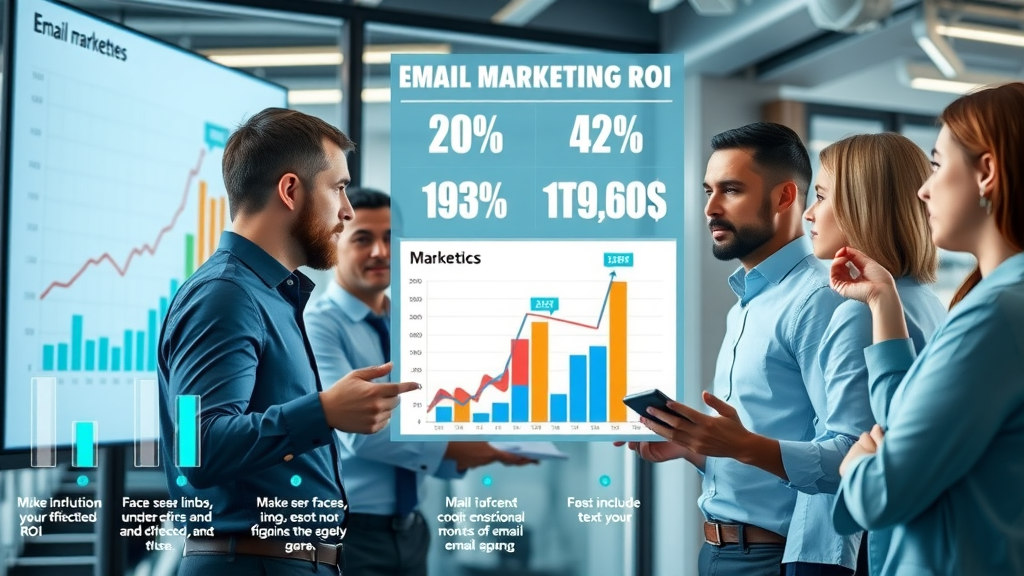
- Did you know that personalized emails deliver transaction rates up to 6x higher than non-personalized emails? This section explores the data-driven impact and trends compelling every brand to embrace deeply targeted approaches.
“The right message, at the right time, changes everything—personalized email marketing isn’t the future, it’s now.” – Digital Marketing Expert
- Key industry statistics: The average ROI for personalized email marketing surpasses $36 for every $1 spent.
- Major brands profiting: Companies like Amazon and Netflix leverage tailored emails to drive massive engagement with product recommendations and curated content.
- Why it works: Despite new trends, email marketing remains the highest ROI channel due to its unique capacity for 1:1 communication and measurable conversion rates.
Brands that embrace personalized email marketing are pulling ahead of the competition. While social media algorithms change and digital ad costs climb, personalized emails keep audience engagement high and acquisition costs low—making this marketing strategy both future-proof and essential for sustained business growth.
Mastering the Foundations: What Is Personalized Email Marketing?
Defining Personalized Email Marketing & Why It Matters
- How personalized emails go far beyond [name] tags
- Benefits for customer journey and conversion rates
- Demystifying ‘personalization strategies’
Personalized email marketing is a targeted approach where every message is fine-tuned based on subscriber data—from demographics and purchase history to browsing patterns and lifecycle stages. While many think personalization means just adding a name in the subject line, modern email personalization uses dynamic content, behavioral triggers, and segmentation. This allows you to guide people through their customer journey with relevant messaging—turning casual readers into loyal customers and brand advocates.
The impact? Subscribers receive offers, content, and product recommendations that fit their actual needs and interests. This personal touch elevates the relationship, positioning your brand not just as another sender, but as a trusted advisor. From welcome emails to abandon cart reminders, every email campaign becomes a carefully mapped step in nurturing customer relationships and boosting your conversion rate .
How Email Personalization Drives Engagement
- Achieving better open rates and conversion rates
- Examples of dynamic content in modern email campaigns
- Improved customer relationship and brand loyalty
By implementing email personalization , businesses repeatedly see lifts in open rate (by as much as 26%) and dramatic jumps in conversion rates. Imagine an email campaign featuring product recommendations based on what a customer has viewed—suddenly, your emails become relevant content tailored to individual preferences. Use dynamic content blocks that swap in the right product, blog post, or offer per segment, and you reach subscribers with exactly what they’re seeking.
The more relevant and valuable your email content , the more likely your audience is to engage, click, and purchase. Not only does this maximize your marketing ROI, but it lays the foundation for continued customer engagement, stronger customer relationships , and remarkable brand loyalty.
Personalized Email vs. Personalised Email: Best Practices and Regional Nuances
- U.S. vs UK spelling and regional terminology
- Why personalization techniques work globally
- Examples of tailored messaging for different markets
While Americans type “ personalized email ” and Brits write “ personalised email ,” both refer to the same core strategy: delivering messages tailored to the recipient’s context. This distinction reminds us an effective email marketing campaign speaks its audience’s language, not just in terms of grammar, but also in cultural nuance.
Global personalization techniques may include region-specific promotions, currencies, or even referencing local holidays. Starbucks, for instance, tailors its emails with local offers and events, driving home that personalized experience goes beyond just names and into the realm of true customer relevance—regardless of where your customers are located.
How Personalized Email Marketing Works: The Science Behind Targeted Messaging
Collecting Customer Data for Effective Email Personalization
- Data types that matter: demographics, purchase history, and browsing behavior
- Consent, privacy, and compliance considerations (GDPR, CAN-SPAM)
- Tools for analyzing customer journeys and behaviors

To craft personalized emails that resonate, it starts with the right customer data . Key data points—such as age, location, purchase history , and browsing habits—form the bedrock of advanced segmentation and tailored email content . But data use must respect privacy regulations like GDPR and CAN-SPAM, requiring explicit consent and transparent handling.
Smart marketers rely on analytics tools and CRM integrations to trace the customer journey and analyze which behaviors trigger conversions. By responsibly collecting and analyzing customer data, you create a database primed for delivering highly relevant content at every stage of the buying cycle.
Segmentation and Dynamic Content in Email Campaigns
- Segmenting your email list for maximum effect
- Techniques for building high-performing email lists
- Implementing dynamic content to increase open rate and engagement
With your email list in hand, divide it using key segments—like new subscribers, frequent buyers, or product interests. Segmentation helps ensure email campaigns speak directly to each subscriber’s needs. Dynamic content allows you to automatically adjust sections of your email to highlight relevant products or offers for each segment.
For example, an e-commerce brand might show winter gear to customers in snowy regions and beachwear to those in warmer climates—all in one send. When paired, segmentation and dynamic content maximize open rates and click-throughs, fostering deeper connections and improved marketing results.
The Role of Automation in Personalized Email Marketing
- Marketing automation platforms leading the way
- Examples: abandoned cart, welcome series, birthday emails
- Personalization at scale for growth marketing
Automation is the powerhouse behind scalable personalized email marketing . Modern marketing platforms allow you to set up workflows—like welcome series, abandoned cart reminders, or birthday greetings—triggered by specific user behaviors or life events.
For instance, when a user leaves items in their cart, an automated email with a personalized offer can recover the sale without manual effort. Automation transforms email marketing campaigns from one-size-fits-all blasts to timely, tailored touchpoints that scale with your business growth—fueling engagement at every step of the customer journey .
Crafting Irresistible Subject Lines and Email Content for Personalized Campaigns
Writing Subject Lines That Boost Open Rate
- Analyzing high-performing subject lines from top email campaigns
- Personalization strategies for higher email open rates
- A/B testing subject lines to optimize engagement
A stand-out subject line is your first and often only shot at an open rate . Including the recipient’s name, referencing recent actions (“Your wishlist is waiting!”), or using questions (“Ready for your next trip, Jane?”) dramatically increases open rates and sets an engaging tone. Test variations regularly—A/B testing enables you to refine what works best with your audience.
Take cues from brands like Spotify, whose personalized subject lines (“Top picks just for you”) consistently outperform generic alternatives. Remember: high-performing subject lines are personal, urgent, and irresistible—aligning both with your brand voice and the subscriber’s intent.
Creating Compelling Personalized Email Content
- Tailoring messaging to dynamic audience segments
- Leveraging dynamic content for relevance
- Balancing automation with authenticity
Personalization shouldn’t stop at the subject line. Break your email content into dynamic blocks that display personalized offers, recommendations, or helpful tips based on the reader’s profile. For example, SaaS companies send onboarding tips based on which features a new user interacted with, or retailers highlight deals based on past purchase history .
Balance automation with a human touch; use tone and design elements that convey authenticity, not canned messaging. The best personalized emails feel individually crafted—even when they’re sent to thousands, deepening customer relations and cementing loyalty.
"If your emails aren’t personal, don’t send them." – Leading Content Marketer
Essential Personalization Strategies for Email Marketing Campaigns
Segmentation Deep Dive: Techniques and Tools
- Advanced segmentation for complex customer journeys
- Popular email marketing tools for personalization
- Case studies of marketers succeeding with precise segmentation

Advanced segmentation involves layering customer data points—such as engagement history, traffic source, buying habits, and interests—to group subscribers into precise segments. Leading marketing tools like Mailchimp, HubSpot, and Klaviyo offer powerful segmentation and automation capabilities for email personalization at scale.
Marketers who invest in fine-tuned segmentation consistently outperform their peers. For instance, a fashion retailer saw a 35% increase in sales by segmenting customers based on style preference and lifecycle stage, sending handpicked recommendations rather than generic campaigns.
Dynamic Content That Converts: Examples by Industry
- Ecommerce: Product recommendations, personalized offers
- SaaS: Behavioral triggers, onboarding sequences
- Travel: Geo-targeted deals, trip reminders
No matter the industry, dynamic content amplifies results. E-commerce retailers deliver rotating product recommendations based on individual browsing habits, while SaaS providers send feature suggestions when users try something new. In travel, dynamic geo-targeted content displays local deals, destination ideas, and trip reminders—creating a truly personalized experience that keeps customers coming back.
By integrating product recommendations and automated lifecycle triggers, you’re not only responding to immediate needs but also proactively guiding your audience to the next step in their journey.
Optimizing the Customer Journey Through Automated Email Campaigns
- Aligning emails with customer lifecycle stages
- Mapping content to customer intent and behavior
- Personalized drip sequences that nurture relationships
Truly effective email marketing campaigns follow the subscriber along every stage of the customer journey . Set up automation that delivers onboarding tips for new users, exclusive offers for loyal customers, or re-engagement emails for those falling inactive. By proactively mapping relevant content to each touchpoint, you not only boost engagement, but also build lasting customer relationships .
Drip campaigns—sequences of timely, purposeful emails—nurture leads, provide value, and drive conversions, all while maintaining an authentic connection through personalization.
People Also Ask: Personalized Email Marketing FAQs

What is personalized email marketing?
- Personalized email marketing uses customer data and behaviors to create tailored messages that increase engagement and conversions. It goes beyond addressing recipients by name, leveraging segmentation, dynamic content, and automation to deliver relevant experiences.
What is a personalised email?
- A personalised email is any message customized to the recipient, such as using their name, referencing past purchases, or adjusting content based on their interests and actions with your brand.
Do personalised emails work?
- Yes, personalised emails consistently outperform generic emails across metrics like open rates, click-through rates, and conversion rates. They are proven to boost engagement and foster long-term customer relationships.
What are the 4 P's of email marketing?
- The 4 P's are Personalization , Permission , Promotion , and Performance . These principles drive effective, compliant, and customer-focused email marketing campaigns.
Video Tutorial: Step-by-Step Guide to Building Your First Personalized Email Campaign
Building, Growing, and Managing an Email List for Personalized Email Campaigns
List Growth Tactics for Improved Email Personalization
- Best practices for ethically collecting customer data
- Lead magnets, gated content, and signup incentives
- Verifying and segmenting subscribers for targeted campaigns
Unlike buying cold lists, true email marketing success comes from growing your own targeted email list . Use lead magnets—such as free downloads, exclusive discounts, or gated content—to entice high-intent subscribers. Always ask for explicit consent and clarify how their data will be used for personalized emails .
Upon signup, immediately verify and segment new contacts according to interests, source, or intent. This upfront segmentation allows you to launch personalized email campaigns from the very first interaction.
Maintaining and Cleaning Your Email List
- Regular list hygiene to improve open rates
- Removing inactive contacts and updating preferences
- How list health drives overall email marketing performance
Maintaining a healthy email list is crucial to high deliverability and engagement. Routinely remove inactive contacts, update preferences, and re-engage or prune disengaged subscribers. A clean list improves your open rate , protects sender reputation, and ensures your data-driven personalization strategies reach the right people.
An up-to-date list fuels successful email personalization , helps you monitor which segments drive the most conversions, and supports precise reporting across all your email marketing campaigns .
Metrics That Matter: Tracking Personalized Email Marketing Success
| Metric | Definition | Why It Matters |
|---|---|---|
| Open Rate | % of recipients who open the email | Measures subject line & timing effectiveness |
| Click-Through Rate | % who click a link in the email | Indicates content relevance & engagement |
| Conversion Rate | % who complete a goal | Directly ties to ROI & business outcomes |
| Bounce Rate | % of undelivered emails | Impacts sender reputation & deliverability |
| Unsubscribe Rate | % who opt out of emails | Reveals satisfaction & targeting success |

- How to calculate and interpret each metric
- Benchmarking your email marketing performance
- Real-world examples: increasing conversion rate with personalization
Focus on metrics that matter most for personalized email marketing success. Open rate measures how compelling your subject lines are; click-through rate reflects the relevance of your content; conversion rate ties every email campaign directly to business outcomes. Monitoring bounce and unsubscribe rate keeps your sender reputation strong and your content on target.
By regularly benchmarking performance and investing in continuous improvement—like A/B testing, advanced segmentation, and dynamic content—you’ll steadily see better results, higher ROI, and a reputation for meaningful, engaging email marketing.
Overcoming Challenges with Personalized Email Marketing
- Data privacy, compliance, and consent hurdles
- Balancing scalability with segmentation
- Adapting to changing customer behaviors

Challenges abound: ensuring data privacy and consent, remaining compliant with evolving regulations, and effectively scaling segmentation. Overcoming these obstacles demands diligent data management, regular compliance reviews, and a marketing platform that supports agile adaptation.
Customer interests and behaviors shift frequently—what resonates today may not tomorrow. Experiment relentlessly. Use real-time analytics to track shifts in subscriber preferences, and always be ready to re-segment, update campaigns, and test new ideas. Agility is your most powerful personalization tool.
Personalized Email Marketing Strategies to Win Every Customer
- Behavioral Triggers: Respond to user actions in real-time
- Predictive Personalization: Suggest products/services using AI
- Lifecycle Journeys: Map email campaigns to each stage
- Experiment Relentlessly: Test, measure, and optimize segments, content, and timing
| Personalization Strategy | Example in Action |
|---|---|
| Abandoned Cart Reminder | “Still thinking it over? Here’s 10% off just for you!” |
| Product Recommendations | “Top picks for your next adventure” |
| Birthday/Anniversary Greeting | “Happy Birthday, [Name]! Enjoy this gift” |
| Localized Offers | “Deals in [City] tailored for you” |

Frequently Asked Questions
- Best tools for personalized email marketing: Leading platforms include Mailchimp, HubSpot, Klaviyo, and ActiveCampaign—each with built-in automation and advanced segmentation for email personalization.
- How often should I segment my email list? Review and refine segments at least quarterly, but also after every major campaign or significant audience change.
- What are common mistakes to avoid in email personalization? Over-automation, ignoring consent/privacy, and sending irrelevant content are top pitfalls. Always balance automation with human insight.
- Should small businesses invest in advanced personalization techniques? Yes—starting with basic segmentation and progressing to full automation as your email list and data maturity grow will yield strong ROI for businesses of any size.
Ready to Get Results With Personalized Email Marketing?
“Success in email marketing isn’t luck—it’s about tailoring every detail to your customer’s journey.”
- Meet your audience’s needs with every email you send
- Drive higher open rates, click-throughs, and conversions
- Ready to grow your business? Book your free marketing strategy with our team today
To enhance your understanding of personalized email marketing, consider exploring the following resources:
- “Personalized Email Marketing: 9 Strategies for Marketers” ( clevertap.com )
This article delves into nine effective strategies for achieving personalization in email marketing, including audience segmentation, dynamic content utilization, and behavioral triggers.
- “An Expert Guide to Email Personalization [2024]” ( ama.org )
This guide offers insights into customizing subject lines, using dynamic content, and unifying customer data across channels to enhance email personalization efforts.
These resources provide actionable strategies and insights to help you implement effective personalized email marketing campaigns.




Write A Comment