 Add Row
  Add
Add 

Did you know over 70% of consumers research businesses online before making a purchase? The digital marketplace is the new Main Street, making your online presence more vital than ever. If your business isn’t leveraging small business SEO tips , you risk being overshadowed by competitors in crucial local and organic searches. This comprehensive guide reveals proven SEO strategies to help your business stand out, attract the right visitors, and boost your revenue faster than you ever imagined.
Unlocking Growth: How Small Business SEO Tips Can Transform Your Revenue
For small businesses, every visitor matters — and every sale counts. Small business SEO tips are not just optional upgrades; they are the core growth lever for any business looking to thrive online. With consumers turning to Google and other search engines for nearly every buying decision, it’s critical that your website, Google Business profile, and overall online presence are fully optimized to appear in relevant search results.
By applying the right SEO techniques, even the smallest local business can rank high on the search results page, connecting with potential customers who are ready to buy. Implementing targeted keywords, local SEO strategies, and engaging content can dramatically increase your visibility and drive organic traffic. The end result? Increased revenue, steady growth, and a reputation as a trusted local brand that stands out among crowded results.

- Did you know that over 70% of consumers research businesses online before making a purchase? Effective small business SEO tips can be the difference between being found or forgotten, and this guide shows you how to take the lead.
Your Roadmap: What You’ll Gain from These Small Business SEO Tips
By following this guide, you’ll unlock local SEO strategies designed for small businesses, discover ways to dominate Google search, and learn how to apply proven SEO strategies used by leading business owners. Through these tips, you’ll improve your rankings in search engine results, see increased sales, and build a foundation for long-term growth—regardless of your industry or competition level.
- Discover actionable local SEO strategies, how to dominate Google search, and proven SEO strategies for small businesses. Learn how these small business SEO tips lead to improved search results, more sales, and long-term growth.
Demystifying Small Business SEO Tips: Why Every Business Owner Needs Them
Why Small Business & Local SEO Are Game-Changers for Growth
Local SEO is an equalizer for small businesses, enabling you to compete against larger brands within your neighborhood or city. By targeting local search queries and optimizing your presence on Google Maps and local directories, you ensure your business is in front of potential customers when they’re actively searching for the services or products you offer. Optimized listings and reviews help your business show up in the coveted local pack on Google search, driving high-intent traffic directly to your door or website.
In fact, Google’s algorithms increasingly favor businesses that deliver a strong local experience—complete with relevant keywords, authentic customer reviews, and up-to-date business details. This means that implementing smart small business SEO tips can tip the scales in your favor, giving your business more visibility among new and returning customers in your service area.
- Explore how local SEO and small business SEO tips impact sales, and why Google search results increasingly favor optimized small businesses.

The Essentials of Search Engine Optimization for Small Businesses
At its core, search engine optimization (SEO) involves enhancing your online presence to rank higher in the results page of search engines like Google, Bing, and Yahoo. For small business owners, this means ensuring every aspect of your website and local profiles are accessible, relevant, and optimized for both users and algorithms. Everything— from the title tag and meta descriptions to image alt text and internal links—plays a part in helping search engines categorize and reward your site with higher visibility.
Engine optimization isn’t just technical jargon; it’s a set of tools and tactics that let small businesses appear higher in search, drive organic traffic, and connect with the right audience. By focusing on foundational SEO strategies, business owners can rest assured that they’re building a sustainable and scalable approach to growing their customer base online.
- Understand what search engine optimization and engine optimization mean for business owners aiming to thrive online.
Mastering Keyword Research: The Foundation of Small Business SEO Tips

Step-by-Step Keyword Research for Small Businesses
Effective keyword research is the backbone of any successful small business SEO strategy. Begin by brainstorming the words and phrases your target audience might use to find your services. Then, leverage keyword tools like SEMrush, Ahrefs, or Google Keyword Planner to identify search volumes, competition levels, and related terms. Analyze user intent: Are customers seeking information, looking for specific products, or comparing local businesses?
After compiling a list, prioritize relevant keywords that balance good search volume with attainable competition—focusing especially on local modifiers (like “near me” or your city). This approach ensures you’re not only capturing organic traffic but also reaching potential customers with real purchase intent. Keep updating and refining your keyword list regularly to stay aligned with trends and customer behavior in your industry.
- Practical techniques for keyword research tailored to small business needs—tools, intent analysis, and how to select the best keywords for your audience.
Building a Targeted SEO Strategy from Your Keywords
Once you’ve gathered the best keywords for your small business, it’s time to create a targeted SEO strategy . Start by mapping each keyword to specific webpages—home, product, service, and location pages—to avoid competition within your own site. For each page, optimize your title tag, meta descriptions, headers, and content around these terms.
Building focused landing pages for priority keywords helps capture searchers at different stages of their buying journey. Additionally, interlink related pages to improve site structure and support search engine crawlers as they index your content. This not only boosts your rankings in the search engine results page (SERP) but also guides potential customers smoothly toward a sale or inquiry.
- How to turn keyword research into an actionable seo strategy and boost your small business search results.
"Keyword research isn’t just about traffic—it’s about attracting the right buyers to your small business."
Local SEO Power Moves: Small Business SEO Tips to Win Your Area
Setting Up & Optimizing Your Google Business Profile
The Google Business Profile (formerly Google My Business) is the cornerstone of local SEO for small businesses. Start by claiming your profile, then fill in all key details: NAP (name, address, phone number), business hours, and website URL. Add high-quality photos of your store, products, and team to attract more views and build trust. It’s also essential to select the most accurate primary and secondary categories for your listing, so Google displays your business in the right searches.
Encourage satisfied customers to leave detailed reviews, as these can influence your local search ranking and give new visitors the confidence to choose you. Update posts regularly, highlight promotions, and ensure all information is kept current to maintain top visibility in local search results, Google Maps, and the coveted local 3-pack.
- A proven process for Google Business optimization: photos, details, and reviews for the best local search results.

Conquering Local Search: Reviews, Citations, and NAP Consistency
Winning at local search means more than just having a profile; it hinges on three factors: reviews, citations, and NAP consistency. First, accumulate genuine, recent reviews on platforms like Google, Yelp, and industry-specific directories. Positive feedback serves as social proof for potential customers and signals trust to search engines, helping your business rank higher locally.
Next, claim and update your business information across all reputable directories and make sure your NAP details are identical everywhere—no exceptions. Even minor inconsistencies can confuse both search engines and your customers. Lastly, seek out quality citations from local organizations, chambers of commerce, and business partners. Consistent, verified listings across the web build authority and greatly improve your visibility in local SEO results.
- Essential local search ranking factors: citations, accurate NAP, and getting authentic customer feedback.
| Tool | Features | Pricing | Integration |
|---|---|---|---|
| BrightLocal | Local listing management, reputation monitoring | $29/month+ | Google Business, major directories |
| Whitespark | Citation building, review monitoring | $25/month+ | Google, Yelp, niche sites |
| Moz Local | NAP consistency, listing sync | $14/month+ | Top 10 directories |
On-Page Engine Optimization: Key Small Business SEO Tips for Top Search Results
Perfecting On-Page SEO for Small Businesses
On-page SEO ensures every element of your website contributes to improved visibility. Start by creating compelling headlines using relevant keywords that match what your audience is searching for. This, combined with concise meta descriptions, entices searchers to click your link in the search engine results page. Use descriptive alt image tags for all site graphics to help both users and search engines understand your content.
Internal linking is also crucial. Linking to related articles or product pages helps keep visitors engaged, improves crawlability, and strengthens overall site architecture. Optimizing page URLs, using schema markup for structured data, and keeping content fresh give small businesses the edge they need to climb higher in organic search and local search results.
- How headlines, meta descriptions, alt image tags, and internal linking can boost your search engine optimization and search results.

SEO Content That Converts: Best Formats and Strategies
Different types of content influence different potential customers—and content diversity is key for small businesses aiming to expand their online presence. Well-written blog posts answer buyer questions and establish your company as an authority. Product and service pages optimized with targeted keywords drive conversions by matching customer search intent. FAQ sections address common queries and target long-tail search terms for additional organic traffic.
Keep your website updated with new, relevant content that spotlights local partnerships, events, or testimonials to signal activity to search engines. Incorporate keywords naturally into your text, but don’t sacrifice readability. Consistent, valuable content not only improves rankings but fosters trust and loyalty, yielding both short- and long-term sales growth.
- Content types that move small businesses up the search results—blogs, product pages, FAQs, and the role of fresh, optimized content.
Technical SEO Tips for Small Business Owners: Go Beyond Basics
Accelerating Your Site: Speed, Mobile Optimization, and Indexing
Site speed and mobile performance are critical ranking factors for small businesses. A slow-loading or mobile-unfriendly website can cause visitors to abandon your site and signals to search engines that your user experience is lacking. Use tools like Google PageSpeed Insights to monitor and improve your loading times. Compress images, enable browser caching, and minimize unnecessary scripts.
Make sure your website is fully responsive and offers seamless navigation on smartphones and tablets. Additionally, check that all important pages are indexed by submitting sitemaps via Google Search Console and fixing crawl errors promptly. The smoother and faster your website, the better your chances of ranking higher in search and converting more visitors into customers.
- Impact of site speed and mobile performance on search engine optimization and how it influences search engines.

Google Search Console & Search Console: The Small Business Owner’s Guide
Google Search Console is a free tool that’s indispensable for small business SEO. After verifying your website, use it to monitor your site’s health, track keyword positions, and uncover technical issues such as broken links or mobile usability errors. The coverage report helps you ensure all valuable pages are indexed and signals any problems that may impact your visibility in the search engine results page.
Regularly study performance reports for insights into which queries drive the most organic traffic and where you can improve. By acting on this data, small business owners can make focused updates—such as tweaking page titles, adding internal links, or enhancing meta descriptions—directly impacting their search rankings and online presence.
- Practical steps to monitor and improve performance with Google search console, tailored for small business SEO tips.
Off-Page SEO & Social Media: Amplify Small Business SEO Tips
Winning Backlinks: Outreach and Partnerships for Small Businesses
Backlinks from authoritative websites act as votes of confidence, telling search engines your site is trustworthy and deserving of higher rankings in the results. For small businesses, building these links starts with partnerships—collaborate with local organizations, sponsor events, or guest-post on industry blogs. Don’t underestimate the power of joining local business associations or securing links from your suppliers or customers’ sites.
Consistent outreach for guest blogging, testimonials, and cross-promotions can rapidly grow your backlink profile. Target links from sites relevant to your industry or locality, as these carry even greater weight for local SEO. Tracking and analyzing new backlinks with tools like Ahrefs or Moz lets you refine your strategy and see direct results in your search engine rankings and organic traffic growth.
- Effective strategies for acquiring backlinks and boosting trust in search engines—perfect for business owners new to SEO.

Powering Up Your Brand: Social Media & SEO Synergy
Integrating social media into your digital strategy benefits both your brand awareness and search engine visibility. Active profiles on platforms like Facebook, Instagram, and LinkedIn drive more branded searches and help you connect directly with your community. Engaging content shared across these platforms increases the chances of earning backlinks and customer reviews.
Social media can amplify your local SEO by promoting events, sharing Google Business updates, and encouraging customer interactions. Automate posts when possible and use relevant hashtags to expand your reach. The synergy between social media and SEO leads to broader online presence, more traffic to your site, and ultimately, greater sales for your small business.
- How to leverage social media platforms to support local SEO and influence google search, with tips for easy integration.
Tracking Success: Analytics & Continuous Improvement Using Small Business SEO Tips
Measure What Matters: Key SEO Metrics for Small Businesses
Tracking the right SEO metrics is essential for understanding what’s working and where improvement is needed. Focus on your rankings for target keywords, total organic traffic, number of conversions (like purchases or inquiries), and your primary traffic sources. Monitor metrics like bounce rate and page load time to ensure your website isn’t just visible but engaging for your visitors.
Regularly reviewing analytics allows you to link your SEO strategy to actual business outcomes—income, leads, and customer retention. Free tools like Google Analytics and Google Search Console provide a detailed look at your search engine performance and help you make data-driven decisions to grow your small business consistently.
- The most important analytics for small business owners to track in search engine optimization—rankings, conversions, and traffic sources.

Iterate and Win: Adapting Your Small Business SEO Strategy
The most successful business owners treat SEO as an ongoing process. Constantly review your site metrics, conduct new keyword research, and refresh outdated content to stay ahead of algorithm changes and local competitors. Quick iterations—like updating headlines or adding FAQs—can yield noticeable jumps in search visibility.
Schedule monthly strategy sessions to review analytics, identify new trends, and plan content updates. This habit keeps your business agile, ensures sustainable growth, and makes the most of your investment in small business SEO tips.
- How regular data review informs SEO strategies for resilient, successful small businesses.
People Also Ask: Small Business SEO Tips FAQ
What are the 3 C's of SEO?
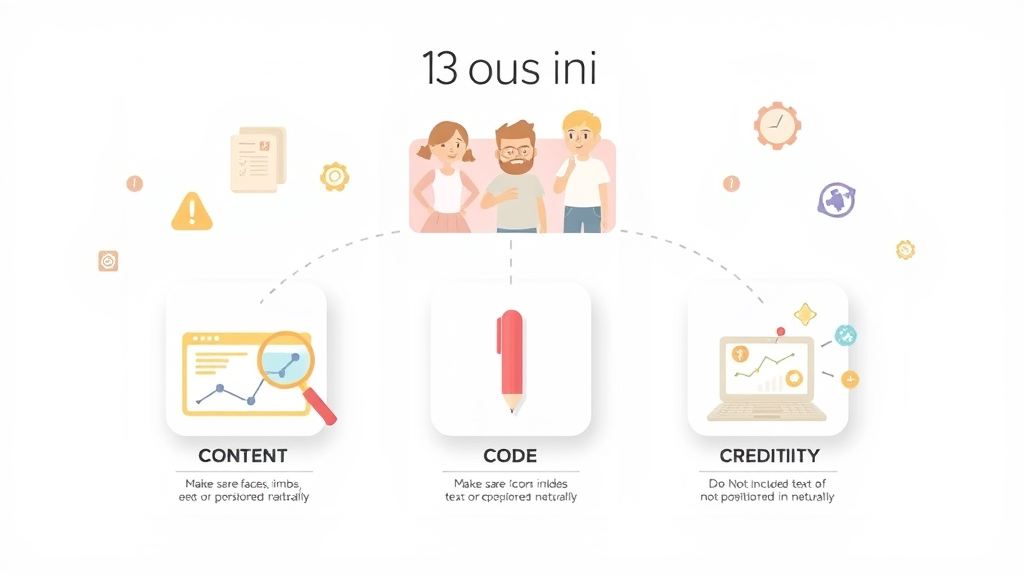
- The 3 C’s are Content, Code, and Credibility. For small businesses, focusing on these ensures high-quality information (content), optimized site structure (code), and external validation like reviews/backlinks (credibility), all central to effective small business SEO tips.
Does SEO really work for small businesses?
- Absolutely. Small business SEO tips increase visibility in local search results, capture targeted traffic, and can dramatically improve sales when consistently applied.
What are the 4 pillars of SEO?
- The pillars are Technical SEO, On-Page SEO, Content, and Off-Page SEO. Small businesses benefit most by applying tips from each pillar for robust results.
How to optimize SEO for your business?
- Follow strategic small business SEO tips: conduct keyword research, optimize your Google Business profile, improve site speed, regularly publish local-focused content, and build relevant links.
Expert Quotes on Small Business SEO Tips
"Small businesses that invest in SEO often see more sustainable growth and customer loyalty than those relying only on paid ads." – SEO Industry Leader
"For local visibility, optimizing your Google Business profile and gaining quality reviews is the most impactful step you can take today." – Local SEO Expert
Action List: Ultimate Small Business SEO Tips to Put Into Practice Now
- Conduct in-depth keyword research and competitor analysis.
- Optimize your on-site content for target keywords and user intent.
- Update and maintain your Google Business profile for local SEO advantage.
- Build citations, solicit reviews, and ensure NAP consistency.
- Improve site speed and mobile experience.
- Secure quality backlinks and leverage social media.
- Monitor results with analytics and refine your strategy each month.
Small Business SEO Tips Table: Tactics, Benefits, and Tools
| SEO Tip | Purpose | Tool Recommendation |
|---|---|---|
| Keyword Research | Find profitable terms | SEMrush, Ahrefs |
| Google Business Optimization | Local visibility | Google Business Profile |
| On-Page SEO | Better rankings | Yoast, Moz |
| Site Speed Improvement | User experience | Google PageSpeed Insights |
| Backlink Building | Authority | HARO, BrightLocal |
| Analytics Tracking | Growth measurement | Google Analytics |
FAQs: Common Questions on Small Business SEO Tips
- How long does SEO take for small businesses? SEO is a long-term investment; most see significant results in 3-6 months with consistent application of these small business SEO tips.
- Is Google My Business the same as Google Business Profile? Yes, Google rebranded Google My Business to Google Business Profile. Maintaining this is key to effective local SEO for small businesses.
- Do I need to hire an agency for small business SEO? Not necessarily. Many small business SEO tips can be implemented in-house with the right tools and learning, though agencies can accelerate results.
- Can I do small business SEO tips myself? Absolutely! Most effective strategies start with owner-led efforts before scaling with outside help.
Start Your Journey: Implement Small Business SEO Tips for Explosive Growth
- Leverage the proven small business SEO tips in this guide to unlock new revenue streams and secure your place in top search results.
- Ready to grow your business? Book your free marketing strategy with our team today
Take decisive action with these small business SEO tips—every step you implement pushes your business higher in search, brings in more qualified leads, and marks the beginning of unstoppable online growth.
To further enhance your understanding of effective SEO strategies for small businesses, consider exploring the following resources:
This guide offers nine actionable SEO best practices, including setting up Google Analytics and Google Search Console, optimizing your Google Business Profile, and conducting thorough keyword research.
This article provides three essential steps to boost your local search ranking, such as setting up your Google Business Profile, managing reviews on local rating sites, and localizing your website content.
By delving into these resources, you’ll gain deeper insights into optimizing your online presence and driving more traffic to your small business.




Write A Comment