 Add Row
  Add
Add 

Did you know that 97% of consumers search online for local businesses before making a purchase? If your small business isn’t actively pursuing online marketing, you’re missing out on nearly all your potential customers. This guide unpacks exactly why online marketing for small businesses is no longer optional—and offers clear, actionable steps to transform your digital presence today.
Why Online Marketing for Small Businesses Matters More Than Ever
- Explore how 97% of consumers search online for local businesses, and why optimizing online marketing for small businesses is now a non-negotiable requirement for growth and survival.

"Ignoring online marketing is like opening a business but not telling anyone." – Anonymous
In today’s digital-first world, small businesses must be discoverable where their target audience spends most of their time: online. Whether you run a bakery, boutique, or service-based company, the competition for attention is fierce. Online marketing bridges the gap between your products or services and the people searching for them right now. Without a strong online presence and strategic digital marketing efforts, your brand’s visibility in search engine results, social feeds, and local directories is virtually nonexistent.
For small businesses , online marketing isn’t just about promotion—it's about survival and growth. Consumers expect information at their fingertips, reviews to validate choices, and engagement from owners and brands. By understanding and embracing the digital landscape, you can reach more potential customers, boost sales, and set your business apart with a strong online presence .
Unlocking the Value: What You’ll Learn About Online Marketing for Small Businesses
- How to create a winning online marketing strategy for small businesses
- Proven digital marketing tactics for growth
- Using social media marketing and content marketing to engage your target audience
- Making the most of your marketing budget with high-ROI channels
By diving into this guide, you’ll master the core pillars of effective online marketing for small businesses —from crafting your digital strategy and building an irresistible web presence to optimizing your efforts across social, email, content, and search platforms. Plus, you’ll get expert insights, real-world examples, and easy-to-implement tips to boost your results regardless of your industry or marketing budget .
The Essentials of Online Marketing for Small Businesses: Fundamentals and First Steps

Understanding the Digital Marketing Landscape for Small Businesses
- Definition of digital marketing
- Overview of online presence
- Key marketing strategies every small business should know
Digital marketing is the umbrella term for every online marketing effort —from your website and local business listings to social media and targeted ads. For small businesses , it's not only about having a website but also about leveraging channels that facilitate discovery and engagement, such as Google, Facebook, Instagram, and email.
A robust online presence means being visible across multiple touchpoints—anywhere your customers might search. This involves optimizing your Google My Business listing, actively posting on the right social media platforms , and ensuring consistency in your branding and messaging. Core marketing strategies —like SEO, content creation, social engagement, and data-driven marketing—are crucial for establishing and growing that presence.
While the digital landscape can seem overwhelming, starting with clear goals, a user-friendly website, and a consistent brand message ensures your small business isn’t lost among competitors. As your marketing efforts grow, you can layer more advanced tactics like influencer partnerships and digital ads to scale your reach.
Developing an Online Presence: The Foundation of Success
- How to create an impactful website
- Leveraging search engine optimization (SEO) for your small business
- Choosing the right media platforms for visibility
At the heart of your digital marketing strategy is a powerful, informative website. Your website should load quickly, showcase your products or services , feature clear calls to action, and be mobile-friendly. Integrating customer testimonials, contact options, and a blog section for industry-specific blog posts builds credibility and encourages visitors to engage.
SEO is vital for ensuring your business appears in relevant search results . Start by targeting keywords your potential customers use and optimizing your pages for clarity, speed, and mobile use. Google ranks sites based on quality content, usability, and local relevance, so keep your content updated and consider publishing regular blog posts that answer common questions.
With a strong website foundation, choose media platforms that align with your target audience . Instagram and Facebook are great for B2C products or services, while LinkedIn works better for B2B. Ensuring consistency in your messaging across each platform cements your reputation and keeps your business top-of-mind in your local market.
Creating a Results-Driven Marketing Strategy for Online Marketing for Small Businesses
Identifying the Target Audience for Your Small Business

- How to research and define your ideal customer personas
- Using data to inform your marketing efforts
Success in online marketing for small businesses starts with identifying exactly who you’re trying to reach. Customer personas represent your ideal clients—those who need your products or services most. Begin by analyzing existing sales data, customer feedback, reviews, and demographic tools on social and search platforms. Segment your audience by age, location, buying preferences, and pain points.
Leverage insights from sources like Google Analytics, Facebook Insights, and email engagement data to refine your personas. This enables you to tailor your marketing strategy , ensuring every marketing effort is targeted, relevant, and more likely to convert. When you know your audience, you can create content marketing that speaks directly to their needs, increasing trust and loyalty.
Remember, your target audience is not “everyone.” Focusing your message sharpens your brand identity and prevents wasted ad spend. Always revisit and update your personas as your business grows and evolves.
Setting Clear Marketing Goals and Budget
- How to set achievable KPIs for small businesses
- Managing your marketing budget for maximum impact
Creating a clear marketing strategy involves setting measurable goals—called Key Performance Indicators (KPIs)—that track your progress and hold your team accountable. KPIs might include website traffic, social engagement rates, number of leads captured, or sales directly from digital campaigns.
To maximize your marketing budget , allocate spending based on proven high-ROI strategies. Track every dollar invested, from social ads and google ad campaigns to content creation and email marketing subscriptions.
Adjust your allocation regularly, using analytics to shift spending toward the channels delivering the most qualified leads or sales. By managing your marketing budget smartly and setting transparent targets, you’ll make every marketing effort count and see measurable outcomes.
Online Marketing Channels: The Best Options for Small Businesses
Mastering Social Media Marketing for Small Businesses
- Choosing the right social media platforms
- Tips for effective media marketing and media platform selection
- Developing a social media marketing calendar

Social media marketing is an essential piece of the online puzzle for small businesses . Each social media platform offers unique tools to reach and engage your target audience. Facebook is perfect for building local communities and running targeted ads, Instagram showcases products visually, LinkedIn connects you with B2B buyers, and TikTok captures younger demographics quickly.
When selecting a media platform , base your decision on where your customers spend their time. Start with one or two platforms to perfect your messaging, then expand as you gain traction. Schedule posts using a content calendar to maintain consistency—share a mix of behind-the-scenes content, customer stories, and product highlights.
Invest in both organic content and paid promotions to build brand awareness and drive website visits. Monitor which posts get the most engagement and refine your approach to double down on what works. Top-performing social channels become your best word-of-mouth marketing vehicles.
Leveraging Email Marketing to Build Strong Relationships
- Building and segmenting your email list
- Crafting compelling email campaigns to drive engagement

Email marketing gives you direct, permission-based access to your customers. Start by collecting email addresses from website visitors, customers, and in-store clients—always with clear consent. Use incentives like discounts, exclusive guides, or early access to new products to grow your email list .
Once you have a sizable list, segment it by demographics, purchase history, or engagement level. This allows you to personalize offers and increase open rates. Well-crafted email marketing campaigns—packed with helpful tips, product updates, and calls-to-action—keep your business top-of-mind and foster loyalty.
Aim to add value with each email, not just sell. Use A/B testing on subject lines, visuals, and content to boost effectiveness. Many small businesses see the highest ROI from email versus other digital methods, so make regular communication a core part of your strategy.
Boosting Visibility with Search Engine Marketing
- SEO best practices for small businesses
- Understanding Google Ads, google ad options, and pay-per-click strategies
Appearing at the top of relevant search engines is essential for any small business seeking local or national customers. SEO best practices include optimizing your website for speed and mobile, consistently publishing content with targeted keywords, and earning local business citations.
For faster results, invest in google ads . Pay-per-click (PPC) ads display your business in prominent search results for your preferred keywords. Set a modest marketing budget , use geo-targeted campaigns, and continuously refine your ad copy and landing pages for the best returns.
Proper tracking and analytics help you avoid common mistakes and overspending on the wrong keywords. Whether you’re using organic SEO, google ad campaigns, or both, search engine marketing puts your business in front of motivated, high-intent buyers.
Content Marketing for Sustainable Growth
- Blogging, video, and influencer marketing for higher ROI
- Creating useful, evergreen content for your target audience
Content marketing allows you to educate, entertain, and engage your audience beyond simple ads. Maintaining a business blog with helpful blog posts , how-to guides, and local insights builds authority in your niche and improves your search engine rankings.
Video content—such as product demonstrations, customer testimonials, and behind-the-scenes footage—boosts engagement on social media and your website. Consider collaborating with local influencers to reach new audiences (influencer marketing) and amplify your message.
The key is to create evergreen content—resources that remain relevant for months or years. Great content marketing attracts new visitors, nurtures leads, and keeps your business relevant in a crowded digital landscape.
Video: Successful Online Marketing for Small Businesses in Action
- Highlighting real-life examples and best practices through impactful case studies featuring small businesses transforming their digital marketing.
Watch how small businesses just like yours achieved measurable growth by embracing digital marketing —from increased walk-ins and online orders to loyal social followings. These stories show that even modest marketing efforts can fuel significant, sustainable results when applied correctly.
Learn what worked, what didn’t, and borrow proven strategies to implement in your business today. Real-world wins provide inspiration and clear direction for your own journey.
Media Platforms and Tools: Maximizing Online Marketing for Small Businesses
- Overview of top social media platforms, media marketing tools, and digital marketing software
- How to choose the best platform for your marketing strategy

The right tools make online marketing both efficient and effective. Leading social media platforms like Facebook, Instagram, LinkedIn, and TikTok offer built-in analytics, automation, and advertising features tailored for small businesses . Digital marketing software—such as Hootsuite for scheduling, Mailchimp for email automation, and Canva for easy graphic design—simplifies everyday tasks.
When evaluating media platforms or tools, match their features to your business goals and target audience . Prioritize platforms that deliver strong engagement with manageable time and cost commitments. Here’s a comparison of the most popular social platforms:
| Platform | Best For | Audience | Key Benefits |
|---|---|---|---|
| B2C, Local Ads | Adults 25-55 | Community building, reviews, events, local targeting | |
| Visual Products, Brands | 18-35, Urban | High engagement, influencer collaborations, shoppable posts | |
| B2B, Professional Services | 25-55, Professionals | Networking, lead generation, content authority | |
| TikTok | Younger Audiences, Trends | 16-30, Global | Viral videos, trend leverage, rapid growth |
Choose one or two platforms to start, then expand as you master the basics and measure your ROI. Integrate helpful tools and software to save time and enjoy more consistent results.
Building & Measuring Online Marketing Success for Small Businesses
Tracking Your Marketing Efforts and ROI
- Key metrics for evaluating your online marketing strategy
- Tools for tracking, testing, and optimizing campaigns

To grow your small business , you must measure what matters. Track key performance metrics such as website visits, email open rates, social engagement, conversion rates, and customer acquisition cost. Use Google Analytics to monitor website behavior and tools like Mailchimp and Hootsuite for campaign insights.
Regularly review your marketing strategy to assess what’s working—and what’s not. Set benchmarks and continually test different headlines, images, and offers. Data-driven decisions let you double down on successful tactics and trim what underperforms.
The most successful digital marketing campaigns are those that are tracked, measured, and optimized over time. Smart tracking ensures your marketing efforts result in genuine business growth, not just vanity metrics.
Adjusting Your Marketing Strategies for Continuous Improvement
- A/B testing marketing campaigns
- Iterative improvements based on results
Marketing is never “set it and forget it.” Use A/B testing—comparing two versions of a webpage, ad, or email—to discover what resonates best with your target audience . Small tweaks in copy, visuals, or call-to-action placement can improve results dramatically over time.
After testing, analyze the results and apply your learnings to future campaigns. Continuous improvement should be baked into your routine—adjust budgets, target new segments, and refine your messages based on hard data, not guesswork.
By fostering a culture of growth and experimentation, your small business will stay competitive and maximize its online marketing ROI for the long haul.
Overcoming Common Online Marketing Challenges for Small Businesses
- Managing a tight marketing budget
- Standing out in crowded digital marketing channels
- Avoiding common mistakes with Google Ads and influencer marketing

Many small businesses worry that a limited marketing budget makes online growth impossible—but success isn’t about how much you spend, but how well you spend it. Focus your budget on a few channels that consistently deliver results, like local social ads, targeted google ad campaigns, or nurturing your email list .
Standing out in a crowded market requires creativity and persistence. Test new content formats, partner with micro-influencers in your niche, and never underestimate the power of authentic storytelling in content marketing . Avoid common missteps like bidding on irrelevant search engine keywords or neglecting to track results.
Learn from each campaign, stay consistent, and remember that digital marketing rewards those who measure their actions, not those who get lucky.
"In online marketing, consistency and measurement beat luck and gut feeling."
Video: Expert Tips for Online Marketing for Small Businesses
- Expert marketers reveal their best-kept secrets for small business digital marketing success.
In this video, digital marketing pros share proven tactics you can implement today—from building your email list and improving SEO to running cost-effective ads and maximizing your marketing strategy . Hear directly what works, what to avoid, and how to make every marketing effort count on a limited budget.
Lists: Quick Wins and Actionable Steps for Online Marketing for Small Businesses
- 10 social media marketing ideas you can implement today
- 5 ways to grow your email list quickly
- 7 content marketing topics guaranteed to engage your audience
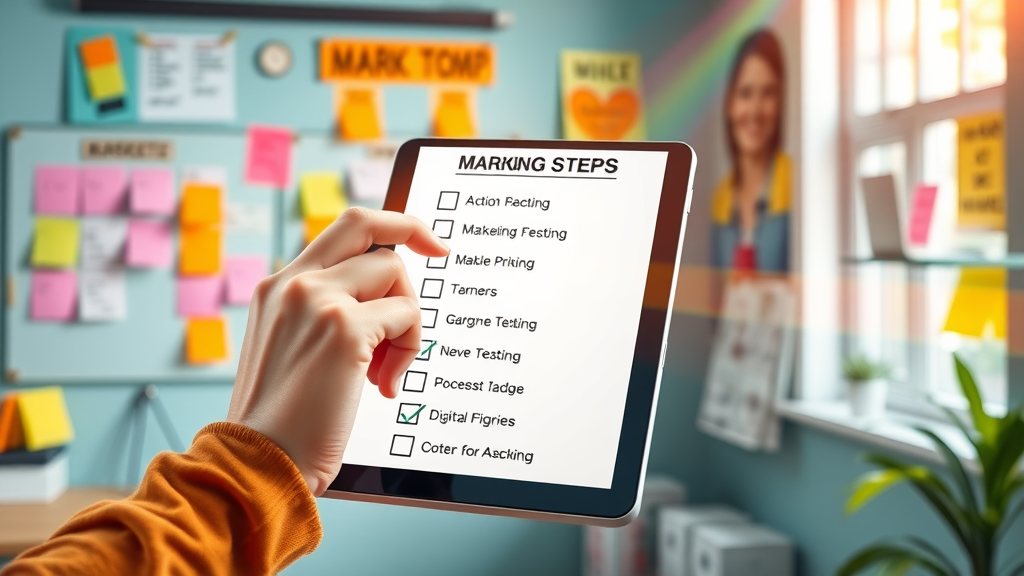
- Post a customer testimonial on social media.
- Host an Instagram Stories Q&A about your product or service.
- Run a limited-time Facebook giveaway to generate buzz.
- Share a behind-the-scenes video of your daily process.
- Send a welcome email to new subscribers on your email list.
- Update your Google My Business profile with fresh photos.
- Publish a new blog post targeting a trending local hashtag.
- Collaborate with a local influencer for a sponsored post.
- Set up a seasonal promotion exclusive to Instagram followers.
- Encourage reviews by emailing loyal customers.
- Grow your email list quickly: Offer a discount for sign-ups, launch a ‘refer a friend’ campaign, host a webinar, add sign-up forms to your website, and promote your email list on social profiles.
- Content marketing topics: How-to guides, industry news, expert interviews, customer case studies, product comparisons, behind-the-scenes features, and local community highlights.
People Also Ask: How to do digital marketing for a small business?
- Step-by-step guide for small businesses to launch digital marketing: building an online presence, selecting platforms, and measuring results.
Start by building a strong online presence: create a mobile-friendly website, claim your business on Google, and set up relevant social media accounts. Identify where your target audience spends their time and focus on one or two media platforms at first. Share consistent content, interact with followers, run basic google ads , and regularly track your progress using free analytics tools. Adjust your marketing strategy based on what performs best.
People Also Ask: How do I market my small business online?
- Practical recommendations for social media, content marketing, and Google Ads tailored specifically for small businesses.
Use social media marketing to engage your community and promote special offers. Write regular blog posts or create videos to educate your audience and improve SEO. For quick wins, run targeted google ad campaigns for your core products or services, and always encourage satisfied customers to leave reviews. Building and nurturing an email list gives you a direct line to loyal fans and potential buyers.
People Also Ask: What is the best marketing platform for small business?
- Comparison of social media platforms, email marketing, and search engine options. How to pick the right one for your small business goals.
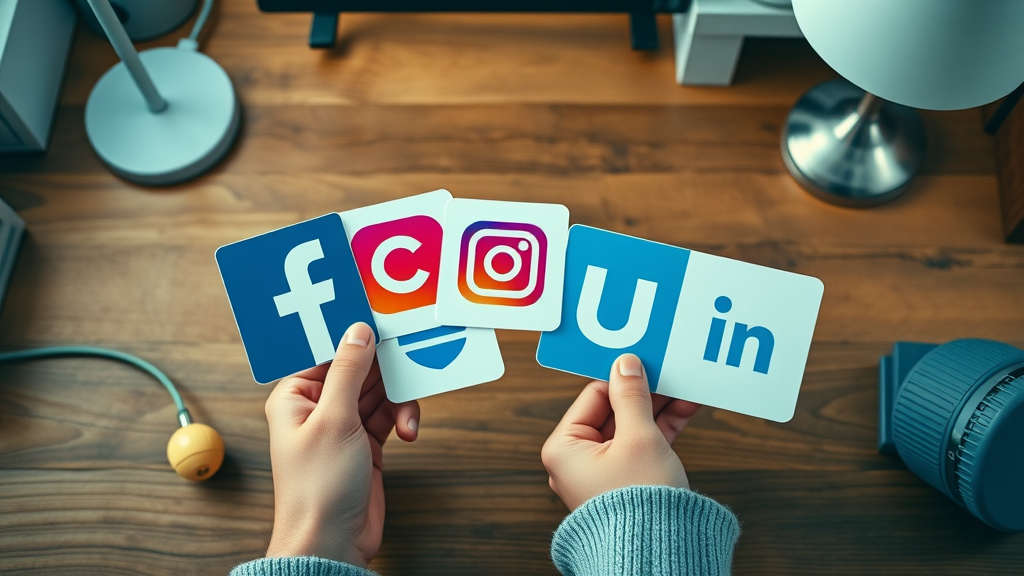
The best platform depends on your business type and target audience. For most local and B2C small businesses, Facebook and Instagram offer the best combination of organic reach, paid ads, and direct interaction. B2B companies may prefer LinkedIn, while brands targeting Gen Z should explore TikTok. Don’t overlook email marketing —it often delivers the highest ROI when managed ethically and consistently. Consider mixing platforms for maximum exposure and impact.
People Also Ask: Is digital marketing worth it for small businesses?
- Analysis of digital marketing ROI, common myths, and real success stories demonstrating the value for small businesses.
Absolutely. Digital marketing gives small businesses almost unlimited reach at a fraction of traditional advertising costs. Well-planned strategies generate consistent leads and sales, as real-world case studies repeatedly show. Myths that digital marketing is too expensive or too complicated are quickly dispelled when you focus on the right channels and measure your results. The payoff—in brand recognition, customer loyalty, and revenue growth—makes every marketing effort well worth it.
Video: Top Digital Marketing Tools for Small Businesses Reviewed
- A review and walkthrough of the most effective tools to boost your online marketing efforts for small businesses.
This video looks at the most impactful tools to manage your social, content, and search marketing with ease and scale. Discover which software saves you time, maximizes results, and fits your budget best—whether you’re just getting started or ready to take your online marketing efforts to the next level.
Frequently Asked Questions About Online Marketing for Small Businesses
- What budget does a small business need for online marketing?
- How can a small business build an email list ethically?
- Which marketing strategies work fastest for small businesses?
- How often should I post on different media platforms?
What budget does a small business need for online marketing?
Most small businesses can start with a monthly budget as low as $200–$500, focusing on the highest ROI channels like local social ads, email marketing tools, and DIY content creation. Scale gradually as you identify what works best for your audience and see direct returns.
How can a small business build an email list ethically?
Always obtain consent—either in person, online, or through signup forms. Offer value (like discounts or freebies) in exchange for email addresses. Never buy lists, as they often violate privacy laws and lead to poor engagement.
Which marketing strategies work fastest for small businesses?
Paid social media ads and targeted google ad (PPC) campaigns usually deliver the fastest results, driving immediate traffic and leads. Simultaneously, encourage reviews and referrals to build trust quickly.
How often should I post on different media platforms?
Consistency beats frequency for small businesses: Aim for 3–5 quality posts per week per platform, plus regular email updates and monthly blog content. Focus on value, not volume.
Key Takeaways for Small Businesses: Succeeding with Online Marketing
- Consistency and creativity win online
- Focus investments on high-ROI channels
- Always test, measure, and adjust your online marketing strategy

Mastering online marketing for small businesses is achievable with a focused approach—stay consistent, keep learning, and adapt as you grow.
Ready to Grow Your Business?
- Book your free marketing strategy with our team today to discover how targeted online marketing for small businesses can drive your growth and revenue.
Don’t let your hard work go unnoticed— book your free marketing strategy session now and unlock your next level of business growth!
Summary: Mastering Online Marketing for Small Businesses
- Recap the most crucial strategies and action steps to start or scale your small business’s online marketing today. Emphasize the long-term benefits and continuous learning in mastering digital marketing.
Take action with the proven strategies in this guide: build a strong digital foundation, select the right channels, consistently track and optimize, and never stop refining your approach for lasting growth.
To further enhance your understanding of online marketing for small businesses, consider exploring the following resources:
-
“12 Online Marketing Strategies for Small Businesses” : This article provides a comprehensive overview of effective online marketing tactics tailored for small businesses, including insights on SEO, website optimization, and leveraging social media platforms. ( broadly.com )
-
“16 Effective Digital Marketing Strategies for Small Businesses on a Budget” : This resource offers practical and budget-friendly digital marketing strategies, such as mobile-focused ads and collaborations with micro-influencers, to help small businesses maximize their online presence without significant financial investment. ( azbigmedia.com )
By delving into these articles, you’ll gain actionable insights and strategies to effectively implement online marketing initiatives that drive growth and engagement for your small business.




Write A Comment