 Add Row
  Add
Add 

Did you know over 90% of small businesses rely on digital marketing to reach new customers and boost their online presence? If you're looking to turn your small business into a force online, this guide will arm you with practical, easy-to-implement strategies that drive real growth—no jargon, just results. Get ready to unlock the potential of digital marketing for small businesses and elevate your brand—even on a budget or with limited resources.

Discover the Power of Digital Marketing for Small Businesses Today
Digital marketing for small businesses isn't just a buzzword—it's the engine that powers growth, increases visibility, and helps brands of all sizes compete on a level playing field. For small businesses, an effective online marketing strategy can bring in potential customers, boost the visibility of products or services, and build long-lasting relationships at a fraction of traditional advertising costs. Whether you're launching a startup or looking to expand a family-run shop, digital marketing offers you essential marketing tools for reaching the right target audience.
By leveraging cost-effective digital channels such as social media, search engine optimization (SEO), email marketing, and content marketing, small businesses can maximize their online presence and outperform bigger competitors. The ease of accessing analytics and optimizing campaigns makes it simpler than ever for small businesses to measure their marketing efforts, adjust in real-time, and ensure every dollar spent drives measurable value. Digital marketing for small businesses isn’t just relevant; it’s vital to thriving in 2024—and beyond.
- In this article, you’ll learn practical digital marketing strategies, small business marketing best practices, and proven ways to enhance your online presence. We’ll break down complex tactics into simple, actionable steps for small businesses at any stage.
A Revealing Statistic: Over 90% of Small Businesses Rely on Digital Marketing to Boost Their Online Presence and Reach New Customers
This powerful statistic highlights why more small businesses than ever are turning to digital marketing. With nearly every consumer starting their search for products or services online, it’s no surprise that digital marketing strategies have become mission-critical. Harnessing digital tools not only helps you stay ahead of the competition but also creates opportunities to engage new audiences every single day.
Moreover, platforms such as Google, Facebook, Instagram, and email marketing tools are now accessible—and affordable—for even the smallest businesses. These platforms make it easier than ever to collect analytics, adjust messaging, and focus marketing budgets where they’ll have the most impact. Understanding where your audience spends time online lets you tailor your digital marketing strategy for maximum roi, turning digital marketing into an essential business pro skill.
Why Digital Marketing for Small Businesses Is Essential in 2024

In 2024, digital marketing for small businesses has moved from an optional add-on to an absolute necessity. With shifting consumer habits, increased reliance on mobile devices, and the dominance of online shopping, being visible online is now central to the survival and growth of any small business. Digital channels not only create space for your brand but also offer precise targeting, allowing you to reach your target audience exactly where they spend their time: on media platforms and search engines.
The pandemic further accelerated the shift to digital, and many small businesses learned that those who acted quickly to build their digital presence survived—and even thrived. Digital marketing strategies help refine your message, boost your product or service reach, and build trust through genuine engagement. Whether it’s social media marketing, content marketing, or running campaigns on a tight marketing budget, digital remains the most flexible, cost-effective way to grow your business.
The Competitive Edge: Digital Marketing Levels the Playing Field for Small Businesses
"Digital marketing is the great equalizer for small businesses—every brand can find its audience online."
Digital channels give small businesses the same marketing tools as industry giants—with the added advantage of agility and authentic, direct customer engagement. A strong digital marketing strategy allows you to scale quickly, pivot based on analytics, and outshine competitors by connecting with niche audiences that big brands sometimes overlook. In digital spaces, a creative campaign or TikTok video can put your small business on equal footing with national chains.
By focusing on targeted marketing strategies—using SEO, localized ads, or hyper-personalized campaigns— small businesses can tailor their offerings, react instantly to customer feedback, and develop loyal communities. When you use digital marketing, you build a unique value proposition that makes your brand stand out in crowded search results and bustling social feeds.
Case Studies: How Small Businesses Use Digital Marketing to Achieve Growth
Consider a local bakery that started posting Instagram stories of their fresh-baked goods daily. By using engaging content, hashtags, and tagging local foodie influencers, they grew their following by 300% in six months—which translated into a steady stream of new customers. Another success story features a service-based business pro who implemented email marketing and doubled their client bookings with automated reminders and exclusive offers.
These real-world examples demonstrate that digital marketing for small businesses isn’t reserved for tech-savvy entrepreneurs or large marketing budgets. Even with limited resources, well-targeted digital strategies—like regular blog posts, email campaigns, and active social media profiles—can build brand authority and create compounding traffic. These efforts ultimately translate into measurable business growth, increased trust, and a broader, more engaged customer base.
Defining Digital Marketing for Small Businesses
At its core, digital marketing refers to the promotion of products or services through online channels. For small businesses , digital marketing is about using tools and platforms that are cost-effective, scalable, and measurable, ensuring you achieve meaningful engagement with your target audience . Unlike traditional modes of marketing, digital strategies allow every business—regardless of size or sector—to analyze what works, track return on investment, and continually improve.
Small businesses must familiarize themselves with foundational digital marketing tactics, such as optimizing their business profile for better search engine discovery, developing content marketing calendars, and using email lists for ongoing customer communication. With the right knowledge, you can amplify your online presence and differentiate your business in crowded markets.
Key Components of Digital Marketing Every Small Business Should Know
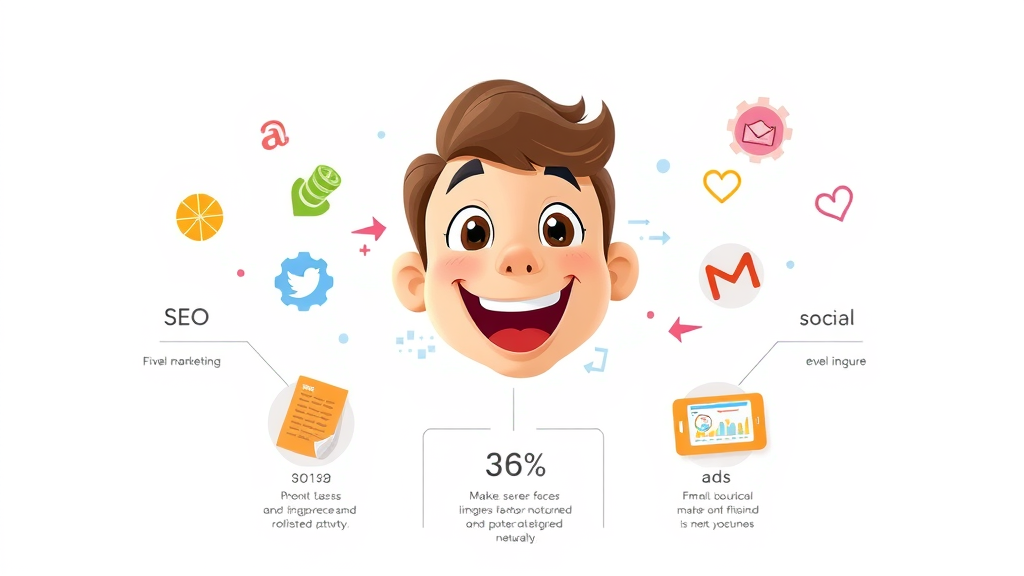
The digital marketing landscape can seem overwhelming, but it essentially boils down to a handful of core tactics that every small business should master. First, search engine optimization (SEO) ensures your website ranks higher in search results, making it easier for potential customers to discover your offerings. Social media marketing powers brand engagement and word-of-mouth, turning everyday users into loyal fans.
Simultaneously, content marketing —blog posts, videos, infographics—positions your business as a trusted authority, while email marketing delivers personalized messages that nurture leads and encourage repeat business. Rounding out the strategy are paid ads, which can drive targeted traffic almost instantly. Each of these channels fills a unique role; used together, they create a comprehensive approach that puts your business exactly where your target audience is looking.
| Main Digital Marketing Channels for Small Businesses | Benefits | Typical Cost | Example Use Cases |
|---|---|---|---|
| Search Engine Optimization (SEO) | Increased organic traffic, higher search rankings | Low (time investment) | Blog posts, Google My Business optimization |
| Social Media Marketing | Direct engagement, brand awareness | Free to moderate (ads boost reach) | Facebook, Instagram, TikTok campaigns |
| Content Marketing | Authority, inbound leads | Low to moderate (content creation) | Blogging, video, infographics |
| Email Marketing | Personalization, repeat business | Low ( email list management) | Newsletters, special offers, nurture series |
| Paid Advertising | Immediate traffic, targeted reach | Flexible (set your budget) | Google Ads, Facebook Ads, Retargeting |
- Search engine optimization
- Social media marketing
- Content marketing
- Email marketing
- Paid advertising
Building an Effective Digital Marketing Strategy for Small Businesses

A successful digital marketing strategy is like a roadmap—it keeps your efforts focused, budget aligned, and results measurable. As a small business, the key to marketing success is aligning your goals with the right platforms and tactics for your unique audience. Begin with a clear purpose: do you want to increase website traffic, build your email list, or launch a new product or service? Once you have direction, your strategy falls into place.
Developing your strategy also involves studying your competitors, measuring what's working in your niche, and experimenting with fresh ideas. Remember that agility is an advantage. As a small business, you can adapt quickly to new trends, audience feedback, or changing algorithms—something larger companies may struggle to do.
Setting Clear Goals and Identifying Your Target Audience
Goal-setting is the bedrock of all successful digital marketing for small businesses. Start by setting SMART goals—Specific, Measurable, Achievable, Relevant, and Time-bound—to clarify what you want your efforts to achieve. Is your aim brand awareness, more social media followers, or lead generation for your service? Once your goals are set, focus on defining your target audience : who are they, where do they spend time online, what problems can you solve for them?
Using research data, analytics, and even direct surveys, identify your audience's behaviors and key needs. This allows you to tailor website content, advertising, and social media activity to match their preferences, increasing engagement and improving your return on marketing investment. When your message and medium match your audience, your campaigns convert more effectively, and your business grows faster.
Choosing the Right Marketing Platforms for Small Businesses
The sheer number of media platforms available can seem daunting, but not all are equally effective for every small business. It’s better to focus where your target audience is most active, whether that means prioritizing Instagram and TikTok for visual brands, or LinkedIn for B2B services. Take time to analyze platform demographics, engagement rates, and content trends before investing your marketing resources.
Experimenting with one or two channels at a time—rather than spreading your budget too thin—can lead to better engagement and actionable insights. Track results closely, using analytics to double down on the most effective social media platform or advertising channel for your unique goals. Flexibility is key; don't be afraid to pivot as your audience shifts or new platforms emerge.
Allocating Your Marketing Budget Wisely
A common misconception is that effective digital marketing requires a huge marketing budget—but this isn’t true. Small businesses succeed by making every dollar count, prioritizing high-ROI activities like content marketing, email campaigns, and targeted social media ads. Start with free or low-cost channels and scale your investment based on proven performance.
Lay out your priorities: maybe 40% for content, 30% for paid ads, and the rest distributed between email and SEO efforts. Regular analytics reviews help you see what’s working and optimize spend. Consider reinvesting early profits into paid campaigns or marketing tools that streamline efforts, automate tasks, or offer new ways to reach potential customers.
Creating a Powerful Online Presence With Digital Marketing for Small Businesses
A successful online presence goes beyond having a website—it’s about creating a unified, compelling message on every channel a potential customer discovers you. Consistency in presentation and experience across your business profile, social media, and search engine listings builds trust, amplifies reach, and converts browsers into loyal customers. For small businesses, strong branding and attention to user experience set you apart from competitors—no matter their size.
Ensuring your online touchpoints are updated, mobile-friendly, and contain accurate contact information helps you appear higher in search rankings and creates a seamless journey from discovery to sale. Investing time in profile optimization and quality website design isn’t just about aesthetics; it’s a core part of digital marketing for small businesses that leads directly to sales.
Optimizing Your Business Profile Across Platforms

Start by auditing every business profile your company maintains online—Google Business, Facebook, Instagram, LinkedIn, Yelp, and others. Make certain each is complete, uses clear, branded visuals, and contains accurate information about your business. This not only improves your visibility in search results but also ensures new customers can easily find and trust you, no matter which portal they use.
Use relevant keywords that align with search engine optimization best practices and encourage customers to leave reviews and interact with your posts. Active, well-managed profiles often rank higher in search engines and are a decisive factor for customers choosing between you and a competitor. A polished, up-to-date online presence is one of the simplest yet most effective ways to grow your business and improve conversions.
Website Fundamentals: User Experience, Branding, and Mobile Optimization
A professional, easy-to-navigate website is non-negotiable in 2024. User experience is the backbone of digital marketing for small businesses: your website should load quickly, feature intuitive menus, and clearly convey your products or services through compelling copy and visuals. Streamline branding by using the same logos, color schemes, and taglines as your social media and email communications.
As more consumers shift to mobile browsing, make sure your website employs responsive design and is easy to use on all devices. Optimize for search engine rankings by focusing on page speed, including meta tags and schema, and integrating calls to action (CTAs) throughout your site. When visitors feel confident and engaged, they’re more likely to share your site, recommend your brand, and return to make repeat purchases.
Leveraging Social Media for Small Business Growth
Social media marketing is a cornerstone of successful digital marketing for small businesses. These platforms offer powerful ways to build community, humanize your brand, and drive direct engagement with your target audience. Choosing the best social media platform—and developing the right content—can create exponential reach, especially when combined with trending hashtags, influencers, or viral challenges.
Success on social media requires more than simply posting occasionally. It’s about initiating conversations, responding to feedback, and fostering relationships that keep your brand top-of-mind for both existing and new potential customers. By investing in a smart, consistent approach, small businesses can see explosive growth and engagement—turning fans into buyers.
Selecting the Best Social Media Platforms
Every business pro knows that different platforms offer different audiences and engagement styles. Instagram and TikTok excel at visual storytelling and trendy content, making them perfect for lifestyle or product-based brands. Facebook remains a reliable choice for multi-generational audiences, community groups, and paid ads, while LinkedIn is designed for B2B connections and professional services.
Research where your target audience spends most of their time and focus on those platforms first. Test engagement, experiment with post styles, and use platform analytics to hone your strategy. Avoid spreading resources too thin; it’s better to deliver high-quality content consistently on two media platforms than to appear sporadically everywhere.
Developing Engaging Social Media Content and Campaigns
To stand out in crowded feeds, your social media content must resonate with your audience’s interests and values. Lean into high-impact visuals, storytelling, and timely posts related to trending topics within your niche. Plan a content calendar, mixing in behind-the-scenes glimpses, customer testimonials, product or service spotlights, and interactive polls to encourage audience participation.
Campaigns that feature user-generated content—such as photo contests or branded hashtags—increase trust and create a sense of community. Remember to measure the results of each campaign and use those insights to refine future efforts. Success on social media isn’t about virality; it’s about consistency, authenticity, and ongoing engagement that supports your small business goals.
Mastering Content Marketing for Small Businesses

Effective content marketing sets small businesses apart by establishing authority, building trust, and driving consistent site traffic. Blogs, videos, podcasts, and infographics not only help you appear in more search results, but also provide value that keeps customers coming back. By aligning content with your product or service offerings and your audience’s pain points, you become the go-to resource in your field.
For small businesses, the key is to start with manageable formats—a weekly blog post, a monthly video, or regular Instagram Stories—then grow your presence as you master each channel. The aim isn’t volume, but quality: create content that genuinely helps, entertains, or inspires your audience, and your online influence will grow organically.
Blogging, Video, and Visuals: Content Creation That Resonates
Start with a blog covering your business pro insights, FAQ answers, or product tutorials targeted at your audience’s most common questions. Videos—whether product demos, customer success stories, or behind-the-scenes tours—boost engagement on your website and media platforms. Visuals, such as infographics or branded graphics, enhance social media posts and make complex topics digestible.
The content you create should reflect your unique brand voice and values. Use storytelling to connect on a personal level, and always optimize for search engine visibility by incorporating relevant keywords, clear titles, and meta descriptions into every piece. Compelling, valuable content not only delivers immediate value but also remains discoverable in search engines for months or even years to come.
Using Content Marketing to Drive Traffic and Build Authority
Publishing consistent, high-quality content builds your site’s authority, which signals to search engines that you’re a trusted resource and helps you rank higher in search results. Over time, this organic visibility translates into sustained traffic and qualified leads for your small business. Create educational how-tos, product or service guides, and share industry news to keep audiences informed and coming back for more.
Collaborating with influencers or inviting guest posts from respected industry figures can extend your reach, attract new backlinks for SEO, and foster valuable relationships within your niche. Remember to promote every piece of content across your social media and email channels, multiplying its reach and increasing its return on investment.
Implementing Effective Email Marketing Strategies for Small Businesses
Email marketing remains one of the highest-ROI digital marketing channels for small businesses. It lets you nurture leads, make personalized product or service recommendations, and keep your brand top-of-mind. The most effective campaigns rely on a segmented email list, attention-grabbing subject lines, and content tailored to recipient interests at each stage of the customer journey.
From transactional welcome sequences to loyalty-building newsletters, every email is a chance to move subscribers closer to purchase and foster a sense of community. Regular analysis—tracking open, click, and conversion rates—ensures continual improvement and optimal performance for your marketing efforts.
Growing and Segmenting Your Email List

Start by placing opt-in forms on your website, offering lead magnets (discounts, guides), and inviting social media followers to subscribe. The goal is to build a high-quality email list of interested prospects, not just inflate numbers with uninterested users. Once established, segment your list by demographics, past purchase behavior, or engagement level to deliver more relevant and effective campaigns.
Segmentation enables tailored messaging—ensuring your most loyal customers receive exclusive offers, and new prospects get onboarding information. With automation platforms, even small businesses can scale email marketing and provide timely follow-ups without lifting a finger. Continual list hygiene (removing inactive subscribers) also ensures high deliverability and campaign impact.
Crafting Campaigns That Convert for Small Businesses
Successful email marketing for small businesses requires a mix of creativity and rigor. Start with attention-grabbing subject lines, deliver value in every message, and always include a clear call to action inviting readers to visit your website, redeem an offer, or connect on social media. Mix up your campaigns—promote products, share useful tips, spotlight success stories—to keep content fresh and subscribers engaged.
Data-driven testing (A/B testing subject lines, content, and send times) further refines your approach and ensures the best possible results. By nurturing your email list thoughtfully, you transform subscribers into repeat customers and brand advocates, supporting sustained growth for your small business.
Boosting Visibility With Search Engine Optimization for Small Businesses
Ranking high in search engine results is a game-changer for small businesses. Even if your digital marketing strategy is robust in other areas, investing in search engine optimization (SEO) ensures your website, products, and services are easily found by people actively searching for what you offer. Local SEO amplifies this effect, connecting you with customers right in your geographic area.
A focused approach—optimizing on-page elements, building backlinks, and ensuring your business appears in map listings—translates directly into qualified, ready-to-buy traffic. SEO may take time, but it creates compounding, sustainable digital growth.
On-Page and Local SEO Techniques Every Small Business Needs
Optimize each page of your website with descriptive titles, keywords relevant to your target audience, and clear, concise meta descriptions. For local businesses, claim and verify your Google Business profile, ensuring up-to-date location, hours, and contact info. Solicit reviews from happy customers—they boost credibility and help your business profile appear higher in search results.
Don’t forget to add detailed product or service pages, internal links, and schema markup, which helps search engines understand what your business offers. A regular publishing schedule (blogs, videos) signals to algorithms that your site is active and relevant, helping you rank higher and stay competitive.
How Search Engine Rankings Impact Small Businesses
High-ranking websites reap the rewards of increased exposure, more website traffic, and, ultimately, more sales. Appearing on the first page of search results makes your small business appear trustworthy and established—a crucial factor for first-time buyers. Local SEO ensures you capture “near me” and “open now” searches, which often convert more quickly.
Lower rankings, on the other hand, mean lost opportunities as potential customers click on competing businesses instead. Invest thoughtfully in ongoing SEO improvements, monitor your performance against competitors, and adapt strategies as search engine algorithms evolve—your success depends on it.
Proven Marketing Strategies for Small Businesses on a Budget
Even with limited funds, digital marketing for small businesses can be resourceful and highly effective. Focus on low-cost tactics such as leveraging free media platforms, encouraging user-generated content, collaborating with local influencers, and building shareable content that can go viral. These marketing strategies maximize every marketing dollar and create opportunities for organic, word-of-mouth growth.
Be proactive in seeking local partnerships, engaging in community groups online, and running contests that give customers an incentive to promote your brand. Small businesses that embrace creativity—rather than outspending the competition—often build stronger, more loyal customer bases.
Affordable Digital Marketing Tactics That Deliver Results
- Leverage free platforms
- Create shareable content
- Tap into user-generated content
- Collaborate with influencers

Mastering digital marketing doesn't always require expensive ad campaigns or celebrity partnerships. By inviting customers to share testimonials and photos on social media, you generate trust and broaden your reach organically. Free tools like Canva for graphics, Mailchimp for email marketing, or Google Business for listings streamline campaigns at little to no cost.
Partner with local business pro or influencers to gain access to their audience, creating mutual value. Run time-limited promotions or giveaways to boost engagement and attract attention to new products or services. The best small business marketing is often the most resourceful—innovate, experiment, and watch your investments pay off.
Measuring and Optimizing Your Digital Marketing Efforts
Accurate measurement is critical. Track your efforts using analytics and reporting tools built into every major channel—Google Analytics for your site, Facebook Insights, and email marketing dashboards. Knowing what works (and what doesn’t) lets you refine campaigns, optimize budgets, and focus on activities delivering the highest ROI.
Small businesses that regularly review performance grow faster and avoid wasted spend. Set regular check-ins, test new ideas, and use data-driven decision-making to make every marketing dollar count.
The Importance of Analytics for Small Businesses
Without analytics, even the most creative digital campaign can fall flat. Analytics tools let you monitor user behavior, conversion paths, and campaign performance in real time. They reveal where traffic is coming from, which content resonates, and how potential customers move through your digital ecosystem. Armed with this information, you can make evidence-based decisions that propel your small business forward.
Free and low-cost tools—like Google Analytics, Facebook Pixel, and Mailchimp Reports—break down performance by channel, device, demographic, and more. This granular perspective takes the guesswork out of marketing and ensures ongoing improvements. Remember: “what gets measured, gets managed.”
Key Metrics Every Small Business Should Track
Monitor metrics such as website visits, bounce rate, time on site, and conversions to judge the effectiveness of your homepage and landing pages. On social media, track engagement rates, follower growth, and click-throughs from campaigns. For email marketing, pay attention to open rates, click rates, unsubscribe figures, and list growth.
Align every metric with your original digital marketing strategy goals. When a particular channel or campaign delivers strong returns, reinvest budget for even greater impact. Use these data-driven insights to fine-tune messaging, content types, and offers for optimal performance and continually grow your business.
People Also Ask: How Can Small Businesses Use Digital Marketing?
Small businesses can use digital marketing to reach new customers, build lasting relationships, and compete effectively by leveraging SEO, social media, email marketing, and targeted advertising to maximize return on a limited budget.
People Also Ask: What Are the 4 Types of Digital Marketing?
The four main types of digital marketing are search engine marketing (SEM), content marketing, social media marketing, and email marketing—vital for small businesses seeking growth.
People Also Ask: What Are the 5 S's of Digital Marketing?
The 5 S’s are Sell, Serve, Speak, Save, and Sizzle—guiding small businesses in structuring their digital marketing strategies for growth and engagement.
People Also Ask: What Are the 7 P's of Digital Marketing?
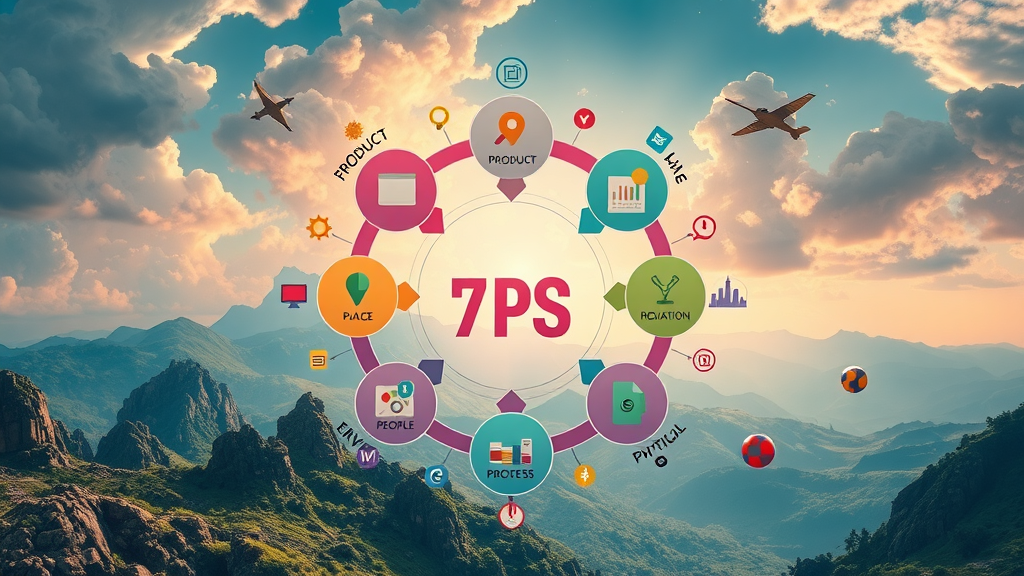
They include Product, Price, Place, Promotion, People, Process, and Physical environment—essential marketing strategy elements for small businesses in the digital age.
Frequently Asked Questions About Digital Marketing for Small Businesses
- What’s the fastest way for small businesses to grow online? Focusing on optimizing your business profile across platforms, leveraging SEO, and running targeted social media campaigns delivers quick wins. Building partnerships with influencers and creating shareable content can also accelerate your online presence rapidly.
- How do I know my digital marketing strategy is working? Monitor analytics regularly for increases in website traffic, higher search engine rankings, more social media engagement, and improved conversion rates. The right digital marketing strategy will show clear, measurable improvements in these areas.
- Can I do digital marketing myself, or should I hire an expert? Many small businesses start out managing their digital marketing in-house using free tools and guides. As you grow or want faster results, consulting with a digital marketing expert or agency can help optimize your strategy and unlock scalable growth.
"In the digital world, even the smallest business can make a big impact with the right marketing strategy."
Get Started With Digital Marketing for Small Businesses—Unlock Your Growth Potential
Take action today: audit your online presence, define your goals, and experiment with digital marketing strategies outlined here. With persistence and smart measurement, you’ll position your small business for growth and lasting success—no matter your starting point.
To further enhance your understanding of digital marketing for small businesses, consider exploring the following resources:
- “16 Effective Digital Marketing Strategies for Small Businesses on a Budget” ( azbigmedia.com )
This article provides practical strategies tailored for small businesses operating with limited budgets, offering insights into cost-effective marketing techniques.
- “7 Powerful Digital Marketing Strategies for Small Business” ( sachsmarketinggroup.com )
This resource outlines seven impactful digital marketing strategies, including SEO and social media marketing, to help small businesses enhance their online presence.
By delving into these resources, you’ll gain actionable insights and strategies to effectively implement digital marketing in your small business.




Write A Comment